
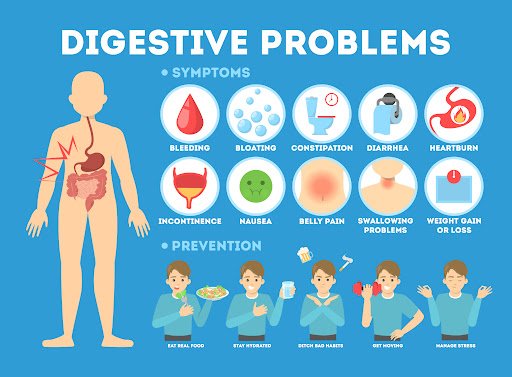
Common Symptoms of Diarrhea
Frequent loose or watery stools
Abdominal cramps or pain
Bloating and gas
Urgency to pass stools
Fever in some cases
Weakness and fatigue
Signs of dehydration such as dry mouth and reduced urination
At Sparsh Hospital, early evaluation helps identify the underlying cause and prevent complications such as dehydration and electrolyte imbalance.
Understanding Vomiting
Vomiting is the forceful expulsion of stomach contents through the mouth. It is a symptom rather than a disease and often occurs alongside nausea. Vomiting can be triggered by infections, food poisoning, motion sickness, digestive disorders, or systemic illnesses.
Common Symptoms Associated with Vomiting
Nausea
Repeated episodes of vomiting
Abdominal discomfort
Loss of appetite
Weakness and dizziness
Dehydration if vomiting persists
Persistent vomiting should never be ignored, especially in children, elderly individuals, and pregnant women. At Sparsh Hospital, we focus on identifying the cause and providing rapid relief while maintaining hydration and nutrition.
What Is Gastroenteritis?
Gastroenteritis is an inflammation of the stomach and intestines, commonly caused by viral, bacterial, or parasitic infections. It is often referred to as “stomach flu,” although it is not related to influenza. Gastroenteritis typically causes a combination of diarrhea, vomiting, abdominal pain, and fever.
Causes of Gastroenteritis
Viral infections
Bacterial infections
Contaminated food or water
Poor hygiene
Weakened immune system
Gastroenteritis can spread easily, especially in crowded environments. Prompt medical care at Sparsh Hospital ensures symptom control and prevents transmission.
Causes of Diarrhea, Vomiting & Gastroenteritis
Several factors can lead to digestive disturbances. Understanding the cause helps doctors provide targeted treatment.
Common Causes Include:
Food poisoning
Contaminated water
Viral or bacterial infections
Food intolerance or allergies
Excessive alcohol consumption
Side effects of medications
Stress and anxiety
Digestive disorders
At Sparsh Hospital, detailed history-taking and clinical evaluation help identify the root cause effectively.
Diagnosis at Sparsh Hospital
Accurate diagnosis is essential for effective treatment. At Sparsh Hospital, our experienced medical team uses a systematic approach to evaluate each patient.
Diagnostic Evaluation May Include:
Detailed medical history
Physical examination
Assessment of hydration status
Stool tests when required
Blood tests in severe cases
Our goal is to identify whether the condition is infectious, dietary, or related to an underlying illness.
Treatment for Diarrhea at Sparsh Hospital
Treatment depends on the severity and cause of diarrhea. Many mild cases improve with proper hydration and dietary adjustments, while others require medical intervention.
Treatment Approaches:
Oral rehydration therapy
Intravenous fluids in severe dehydration
Medications to reduce stool frequency
Treatment for underlying infections if present
Nutritional support
Our doctors ensure safe, evidence-based treatment tailored to each patient’s needs.
Treatment for Vomiting at Sparsh Hospital
Vomiting can quickly lead to dehydration if not controlled. Our team focuses on symptom relief while treating the underlying cause.
Management Includes:
Anti-nausea medications
Fluid replacement therapy
Dietary modifications
Monitoring electrolyte balance
Treating associated conditions
At Sparsh Hospital, patient comfort and rapid recovery are our priorities.
Treatment for Gastroenteritis at Sparsh Hospital
Gastroenteritis often requires a combination of supportive care and medical treatment.
Comprehensive Care Includes:
Adequate hydration
Medications to control diarrhea and vomiting
Fever management
Rest and nutritional guidance
Infection control measures
Our multidisciplinary approach ensures safe recovery for both children and adults.
Importance of Hydration
Dehydration is the most serious complication of diarrhea and vomiting. It can lead to low blood pressure, kidney problems, and electrolyte imbalance.
Signs of Dehydration:
Dry mouth and lips
Reduced urination
Dark-colored urine
Dizziness
Lethargy
At Sparsh Hospital, hydration status is closely monitored, and timely intervention prevents complications.
Diet and Nutrition During Recovery
Proper nutrition plays a vital role in healing the digestive system.
Recommended Dietary Guidelines:
Easily digestible foods
Small, frequent meals
Adequate fluids
Avoid spicy, oily, or heavy foods
Gradual return to normal diet
Our healthcare team provides personalized dietary advice for faster recovery.
Complications If Left Untreated
Ignoring symptoms or delaying treatment can result in serious health issues.
Possible Complications:
Severe dehydration
Electrolyte imbalance
Kidney dysfunction
Weight loss
Weakness and fatigue
Sparsh Hospital emphasizes early diagnosis and timely care to prevent such outcomes.