
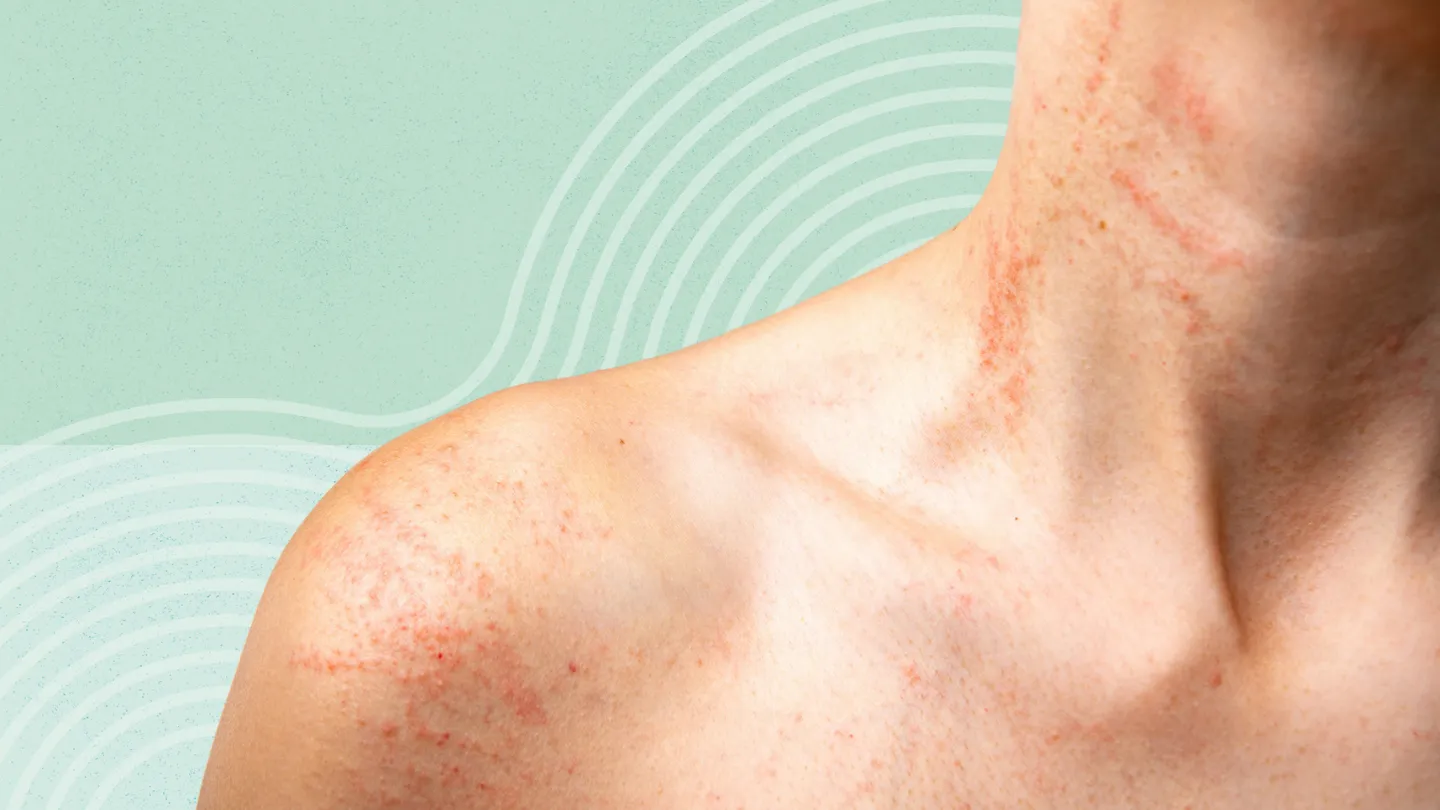
Understanding Skin Rashes
A skin rash refers to any noticeable change in the color, texture, or appearance of the skin. Rashes can be localized to one area or spread across large portions of the body. They may present as redness, bumps, blisters, scales, itching, pain, or swelling.
Common Causes of Skin Rashes
Allergic reactions
Bacterial, viral, or fungal infections
Autoimmune conditions
Heat, sweat, or friction
Chemical exposure
Chronic skin disorders
At Sparsh Hospital, identifying the underlying cause of a rash is a priority, as accurate diagnosis ensures effective treatment and prevents recurrence.
Types of Skin Rashes Treated at Sparsh Hospital
1. Contact Dermatitis
Contact dermatitis occurs when the skin reacts to allergens or irritants such as soaps, cosmetics, metals, plants, or chemicals. It causes redness, itching, and sometimes blisters.
Treatment includes:
Identifying and avoiding triggers
Anti-inflammatory medications
Soothing topical therapies
2. Eczema (Atopic Dermatitis)
Eczema is a chronic inflammatory skin condition often associated with allergies and asthma. It is characterized by intense itching, dry skin, redness, and thickened patches.
Our approach includes:
Long-term skin care planning
Moisturization therapy
Anti-itch and anti-inflammatory treatment
Lifestyle and dietary guidance
3. Psoriasis
Psoriasis is an autoimmune condition that causes thick, scaly, red patches on the skin. It is non-contagious but chronic and requires expert management.
Management at Sparsh Hospital focuses on:
Reducing inflammation
Controlling flare-ups
Improving skin comfort and appearance
Long-term disease monitoring
4. Heat Rashes
Heat rashes are common in hot and humid climates and occur due to blocked sweat glands. They appear as tiny red bumps or prickly sensations.
Treatment includes:
Cooling measures
Skin-soothing medications
Preventive skin care advice
Skin Infections: Causes and Types
Skin infections occur when harmful microorganisms enter the skin through cuts, wounds, or weakened barriers. Prompt treatment is essential to prevent complications.
Common Types of Skin Infections
1. Bacterial Skin Infections
These infections are caused by bacteria entering the skin, often through minor injuries.
Common bacterial infections include:
Impetigo
Cellulitis
Folliculitis
Boils and abscesses
Symptoms may include:
Redness and swelling
Pain and warmth
Pus formation
Fever in severe cases
Treatment at Sparsh Hospital includes:
Appropriate antibiotics
Wound care
Monitoring for complications
2. Fungal Skin Infections
Fungal infections thrive in warm, moist areas of the body.
Common fungal infections include:
Ringworm
Athlete’s foot
Jock itch
Candidiasis
Symptoms include:
Itching and scaling
Circular rashes
Discoloration of skin
Our treatment approach includes:
Antifungal medications
Hygiene counseling
Recurrence prevention strategies
3. Viral Skin Infections
Viral infections can cause painful or itchy skin eruptions.
Common viral skin infections include:
Herpes simplex
Chickenpox
Warts
Shingles
Treatment focuses on:
Controlling symptoms
Reducing viral spread
Preventing secondary infections
4. Parasitic Skin Infections
These infections are caused by parasites that live on or under the skin.
Examples include:
Scabies
Lice infestations
Treatment includes:
Prescription topical or oral medications
Treating close contacts
Hygiene and environmental control
Skin Allergies: Causes and Symptoms
Skin allergies occur when the immune system overreacts to substances that are usually harmless. These allergens can come into contact with the skin or enter the body through food or medication.
Common Triggers of Skin Allergies
Food allergens
Medicines
Cosmetics and fragrances
Dust and pollen
Insect bites
Metals such as nickel
Common Allergic Skin Conditions
Urticaria (Hives)
Hives appear as raised, itchy welts that may change shape or location. They can be acute or chronic.
Treatment includes:
Identifying triggers
Anti-allergic medications
Long-term management for chronic cases
Angioedema
Angioedema involves deeper swelling of the skin, often affecting lips, eyes, or throat. It may require urgent medical attention.
Drug-Induced Skin Reactions
Some medications can cause skin rashes or severe allergic reactions.
At Sparsh Hospital, we ensure:
Immediate evaluation
Safe medication alternatives
Monitoring for severe reactions
Diagnosis of Skin Rashes, Infections & Allergies
Accurate diagnosis is essential for effective treatment. At Sparsh Hospital, we use a comprehensive diagnostic approach that may include:
Detailed medical history
Physical examination
Allergy testing
Skin scrapings or cultures
Blood investigations
Biopsy when required
This systematic evaluation helps in identifying the exact cause and tailoring treatment accordingly.
Treatment Approach at Sparsh Hospital
Our dermatology department follows a patient-centric and evidence-based approach.
Key Aspects of Our Treatment
Individualized care plans
Safe and effective medications
Focus on root cause treatment
Minimal side effects
Long-term skin health management
Medical Treatments
Topical creams and ointments
Oral medications
Anti-allergic therapies
Antimicrobial treatments
Supportive Skin Care
Skin hydration and barrier repair
Infection prevention guidance
Lifestyle modification advice
Chronic Condition Management
For long-term conditions like eczema or psoriasis, we focus on:
Flare-up prevention
Trigger identification
Patient education
Pediatric Skin Conditions
Children are more prone to skin rashes, infections, and allergies due to sensitive skin and developing immune systems. Sparsh Hospital provides specialized pediatric dermatology care for:
Diaper rashes
Childhood eczema
Viral rashes
Food-related skin allergies
Our gentle and child-friendly approach ensures comfort and safety.
Preventive Care and Skin Health Tips
Prevention plays a vital role in maintaining healthy skin.
Our Recommendations Include:
Maintaining proper hygiene
Using skin-friendly products
Avoiding known allergens
Keeping skin dry and clean
Seeking early medical attention for skin changes