
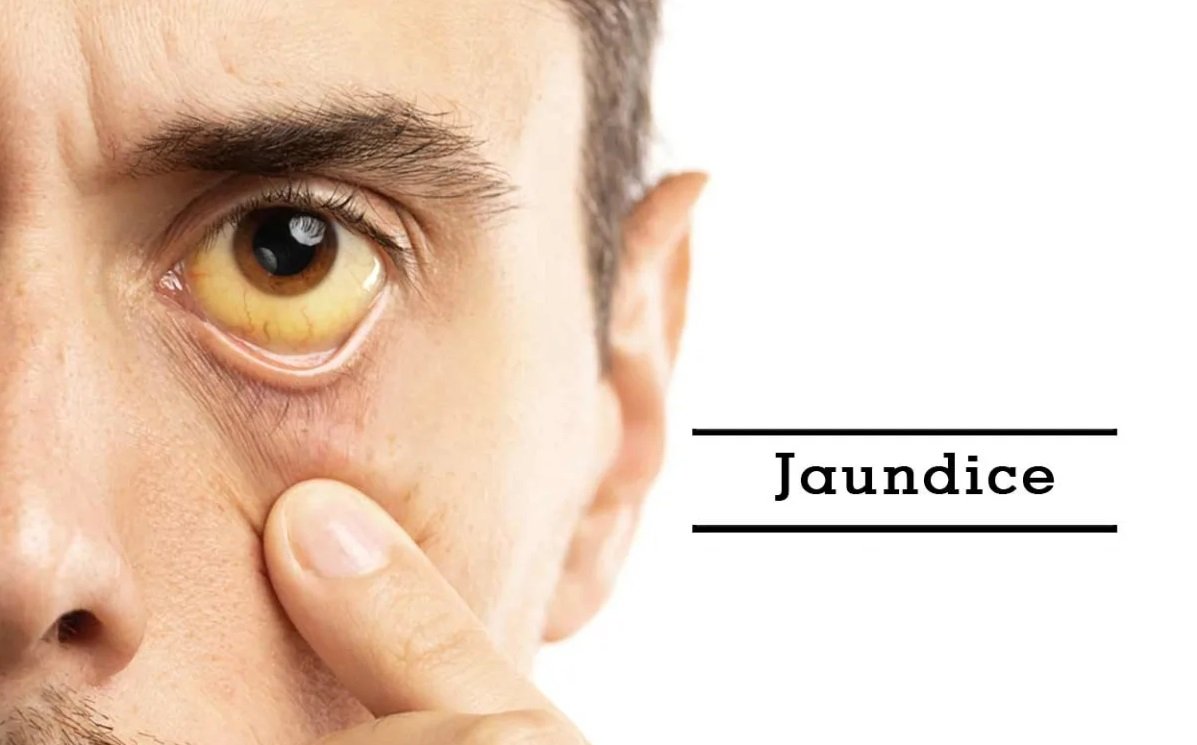
What Is Jaundice?
Jaundice occurs when there is an excess of bilirubin in the blood. Bilirubin is a yellow pigment produced during the normal breakdown of red blood cells. Under normal circumstances, the liver processes bilirubin and removes it from the body through bile. However, when this process is disrupted, bilirubin accumulates, leading to visible yellow discoloration.
Although jaundice itself is not a disease, it is an important clinical sign that indicates an underlying health problem. Therefore, early diagnosis is crucial for effective treatment and prevention of complications.
Common Symptoms of Jaundice
Jaundice can present with a variety of symptoms depending on its cause and severity. Some of the most common symptoms include:
Yellowing of the skin and whites of the eyes
Dark-colored urine
Pale or clay-colored stools
Fatigue and weakness
Loss of appetite
Nausea or vomiting
Abdominal pain, especially on the right side
Itching of the skin
Fever or chills in some cases
In newborns, jaundice may cause excessive sleepiness, poor feeding, or irritability. Because symptoms may vary, medical evaluation is essential for accurate diagnosis.
Types of Jaundice
Jaundice is generally classified into three main types based on its cause:
1. Pre-Hepatic Jaundice
This type occurs due to excessive breakdown of red blood cells, leading to increased bilirubin production. Conditions such as anemia, malaria, or blood disorders are common causes.
2. Hepatic Jaundice
Hepatic jaundice results from liver damage or dysfunction. Common causes include viral hepatitis, alcoholic liver disease, fatty liver disease, liver cirrhosis, and drug-induced liver injury.
3. Post-Hepatic Jaundice
Also known as obstructive jaundice, this type occurs when bile flow is blocked due to gallstones, tumors, bile duct strictures, or pancreatic disorders.
At Sparsh Hospital, identifying the exact type of jaundice helps guide the most effective treatment approach.
Causes of Jaundice
Jaundice can develop due to various medical conditions. Some of the most common causes include:
Viral hepatitis (Hepatitis A, B, C, D, and E)
Alcohol-related liver disease
Fatty liver disease
Gallstones
Bile duct obstruction
Pancreatic disorders
Liver infections
Certain medications or toxins
Hemolytic anemia
Newborn physiological jaundice
Because the causes are diverse, proper medical evaluation is essential before starting treatment.
Importance of Early Diagnosis
Jaundice Diagnosis at Sparsh Hospital
Sparsh Hospital follows a systematic and thorough diagnostic approach to identify the cause of jaundice accurately. Our advanced diagnostic facilities and skilled medical team ensure precise results.
Clinical Evaluation
The diagnosis begins with a detailed medical history and physical examination. Doctors assess symptoms, duration, lifestyle factors, medication use, and any prior liver conditions.
Blood Tests
Blood investigations are crucial for diagnosing jaundice. These include:
Liver function tests
Bilirubin levels (total, direct, and indirect)
Complete blood count
Viral hepatitis markers
Coagulation profile
Imaging Studies
To identify structural abnormalities or blockages, imaging tests may be recommended, such as:
Ultrasound of the abdomen
CT scan
MRI or MRCP
Specialized Tests
In selected cases, further tests like liver biopsy or endoscopic procedures may be advised to confirm the diagnosis.
Through these diagnostic methods, Sparsh Hospital ensures an accurate understanding of the condition, allowing for targeted treatment.
Jaundice Treatment at Sparsh Hospital
Treatment for jaundice depends entirely on its underlying cause. At Sparsh Hospital, treatment plans are customized to suit each patient’s condition, age, and overall health.
Medical Management
Many cases of jaundice can be managed with medications and supportive care. This may include:
Antiviral medications for hepatitis
Antibiotics for infections
Medications to improve bile flow
Vitamin supplementation
Discontinuation of harmful drugs or alcohol
Nutritional Support
Diet plays a significant role in liver recovery. Our specialists provide personalized dietary guidance that includes:
Easily digestible foods
Adequate hydration
Reduced fat intake
Avoidance of alcohol and processed foods
Treatment for Obstructive Jaundice
When jaundice is caused by bile duct obstruction, further interventions may be required. These may include:
Endoscopic procedures
Surgical removal of gallstones
Treatment of tumors or strictures
Newborn Jaundice Treatment
Sparsh Hospital offers specialized neonatal care for newborn jaundice, including:
Phototherapy
Monitoring bilirubin levels
Exchange transfusion in severe cases
Our neonatal specialists ensure safe and effective management for infants.
Advanced Care for Liver-Related Jaundice
Why Choose Sparsh Hospital for Jaundice Treatment?
Sparsh Hospital is a trusted name for comprehensive medical care. Patients choose us for jaundice diagnosis and treatment because of:
Experienced doctors and specialists
Advanced diagnostic facilities
Patient-centered treatment approach
Personalized care plans
Dedicated neonatal and pediatric care
High standards of safety and hygiene
Compassionate nursing and support staff
We believe in treating not just the condition but the patient as a whole.
Prevention and Lifestyle Guidance
While not all causes of jaundice are preventable, certain lifestyle measures can significantly reduce the risk. At Sparsh Hospital, we educate patients on preventive care, including:
Maintaining liver-friendly nutrition
Avoiding excessive alcohol consumption
Practicing good hygiene to prevent infections
Getting vaccinated for hepatitis
Regular health checkups
Preventive care plays a key role in maintaining long-term liver health.
Patient-Focused Care at Sparsh Hospital
At Sparsh Hospital, we understand that a diagnosis of jaundice can be worrying. Therefore, we prioritize clear communication, emotional support, and transparent treatment plans. Our team ensures that patients and families are well-informed at every stage of care.
From diagnosis to recovery, we stand by our patients with compassion, expertise, and commitment.