
What Is Blastocyst Culture?
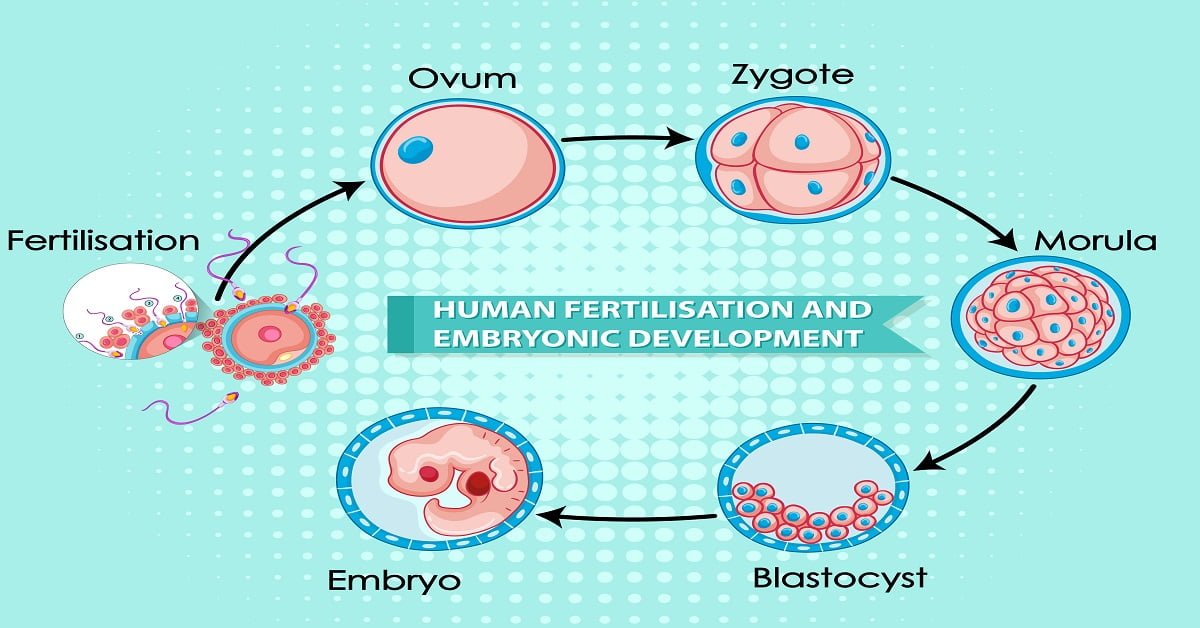
Blastocyst culture is an advanced IVF laboratory technique in which fertilized embryos are allowed to grow for 5 to 6 days before being transferred into the uterus. Instead of transferring embryos at an early stage (Day 2 or Day 3), blastocyst culture allows embryos to develop further, reaching a stage that closely resembles their natural condition in the uterus.
By Day 5, a healthy embryo forms a blastocyst, which consists of:
Inner Cell Mass (ICM) – develops into the baby
Trophectoderm – forms the placenta
This advanced development helps fertility specialists select the most viable embryo, improving implantation rates and pregnancy outcomes.
Why Blastocyst Culture Is Important in IVF
Not all embryos have the potential to grow into a healthy pregnancy. Blastocyst culture helps identify embryos with the highest developmental potential.
Key Advantages of Blastocyst Culture:
Higher implantation rates
Improved pregnancy success
Reduced risk of multiple pregnancies
Better embryo selection
Synchronization with uterine receptivity
At Sparsh Hospital, blastocyst culture is performed under strict laboratory conditions to ensure optimal embryo development.
Blastocyst Culture vs Conventional Embryo Transfer
| Feature | Day 2/3 Transfer | Blastocyst (Day 5) Transfer |
|---|---|---|
| Embryo stage | Early cleavage stage | Advanced blastocyst |
| Selection accuracy | Limited | High |
| Implantation rate | Moderate | Higher |
| Risk of multiple pregnancy | Higher | Lower |
| IVF success rate | Average | Improved |
Who Can Benefit from Blastocyst Culture?
Blastocyst culture is recommended for many patients undergoing IVF, especially those with:
Repeated IVF failures
Good number of high-quality embryos
Unexplained infertility
Male factor infertility
Women under 40 with good ovarian reserve
Patients opting for single embryo transfer (SET)
At Sparsh Hospital, our fertility specialists carefully assess each case to determine whether blastocyst culture is the most suitable approach.
Blastocyst Culture Process at Sparsh Hospital
We follow a step-by-step, patient-centric IVF protocol to ensure safety, accuracy, and success.
1. Ovarian Stimulation
The ovaries are stimulated using fertility medications to produce multiple eggs. Growth is monitored using ultrasound and hormone tests.
2. Egg Retrieval
Mature eggs are collected using a minimally invasive procedure under anesthesia.
3. Sperm Collection & Fertilization
Sperm is collected and fertilized with eggs using:
Conventional IVF, or
ICSI (Intracytoplasmic Sperm Injection)
4. Embryo Culture (Day 1–5)
Fertilized embryos are placed in advanced incubators that closely mimic the uterine environment. They are carefully monitored until they reach the blastocyst stage.
5. Blastocyst Grading
Embryos are graded based on:
Expansion level
Inner cell mass quality
Trophectoderm quality
Only the healthiest blastocysts are selected for transfer.
6. Blastocyst Transfer
A single or selected number of blastocysts are gently transferred into the uterus using a thin catheter.
Advanced IVF Laboratory at Sparsh Hospital
The success of blastocyst culture depends heavily on laboratory quality. At Sparsh Hospital, we provide:
International-standard IVF lab
HEPA-filtered clean room environment
Advanced time-lapse incubators
Strict quality control protocols
Experienced embryologists
These facilities ensure embryos develop in the most natural and protected conditions possible.
Blastocyst Freezing (Cryopreservation)
Excess high-quality blastocysts can be safely frozen using vitrification, a rapid freezing technique.
Benefits of Blastocyst Freezing:
Preserves fertility for future use
Enables Frozen Embryo Transfer (FET)
Reduces need for repeated egg retrieval
Improves cumulative pregnancy rates
Frozen blastocysts at Sparsh Hospital maintain excellent survival rates and pregnancy outcomes.
Success Rates of Blastocyst Culture
Blastocyst culture has shown higher implantation and live birth rates compared to early embryo transfer, especially when performed in well-equipped centers.
Factors influencing success include:
Age of the woman
Egg and sperm quality
Embryo development
Uterine health
Overall IVF protocol
At Sparsh Hospital, our personalized treatment plans and advanced lab support help optimize IVF success rates.
Single Blastocyst Transfer for Safer Pregnancy
One of the major advantages of blastocyst culture is the ability to perform Single Embryo Transfer (SET).
Why SET Is Important:
Reduces risk of twins or triplets
Lowers pregnancy complications
Improves maternal and fetal safety
Our fertility experts at Sparsh Hospital prioritize healthy singleton pregnancies whenever possible.
Is Blastocyst Culture Safe?
Yes, blastocyst culture is a safe and widely practiced IVF technique. When performed by experienced embryologists in a controlled laboratory environment, it does not increase the risk of birth defects or genetic problems.
At Sparsh Hospital, strict ethical standards and safety protocols are followed at every step.
Emotional Support During IVF Treatment
We understand that fertility treatment is not just a medical process but also an emotional journey. Sparsh Hospital provides:
Compassionate counseling
Clear communication
Emotional and psychological support
Patient education and guidance
Our team walks with you through every stage of treatment.