
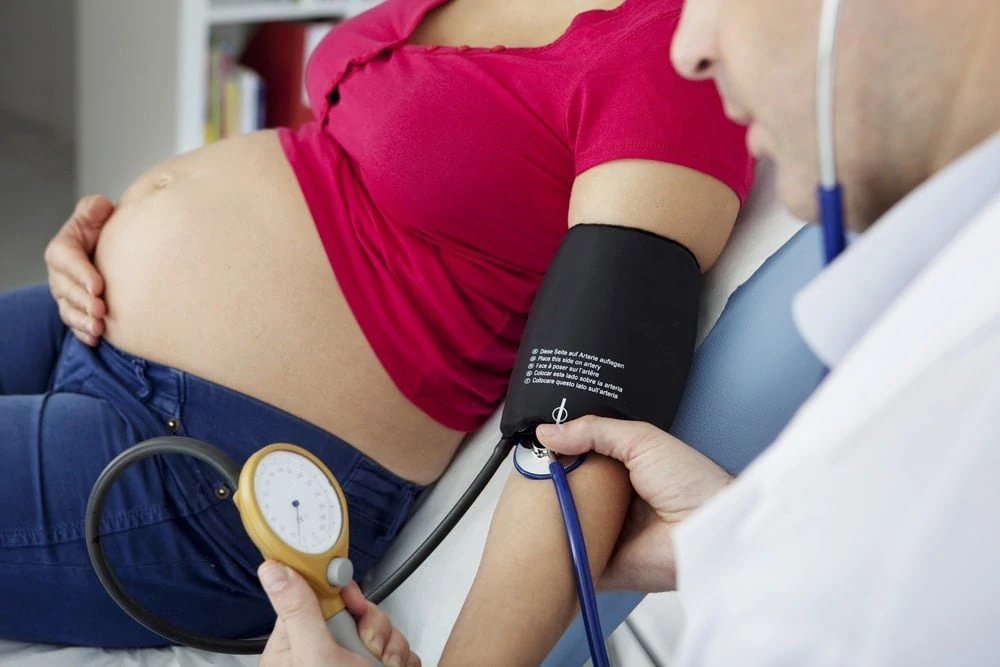
Safe, Specialised Care for High Blood Pressure During Pregnancy
What Is Pregnancy Hypertension?
Types of Hypertension in Pregnancy
Understanding the type of pregnancy hypertension is essential for correct management. At Sparsh Hospital, we classify and treat pregnancy hypertension according to established clinical guidelines.
1. Gestational Hypertension
Develops after 20 weeks of pregnancy
No protein in urine or organ damage
Usually resolves after delivery
Requires close monitoring to prevent progression
2. Chronic Hypertension
High blood pressure existing before pregnancy or detected before 20 weeks
May continue after childbirth
Requires long‑term blood pressure management
3. Preeclampsia
High blood pressure after 20 weeks with protein in urine or organ involvement
Can affect kidneys, liver, brain, and placenta
A potentially serious condition requiring specialist care
4. Preeclampsia Superimposed on Chronic Hypertension
Occurs when a woman with chronic hypertension develops preeclampsia
Higher risk for complications
Requires intensive monitoring and multidisciplinary care
Causes and Risk Factors of Pregnancy Hypertension
While the exact cause of pregnancy hypertension is not always known, several factors increase the risk.
Common Risk Factors
First pregnancy
Age below 18 or above 35 years
Family history of hypertension or preeclampsia
Obesity or excessive weight gain during pregnancy
Multiple pregnancy (twins or more)
Pre‑existing diabetes, kidney disease, or autoimmune disorders
Previous history of pregnancy hypertension
At Sparsh Hospital, early risk assessment allows us to plan preventive strategies and personalised monitoring schedules.
Symptoms of Pregnancy Hypertension
Many women with pregnancy hypertension may not experience noticeable symptoms, which is why regular antenatal check‑ups are essential.
However, possible warning signs include:
Persistent headaches
Swelling of face, hands, or feet
Sudden weight gain
Blurred vision or sensitivity to light
Upper abdominal pain
Nausea or vomiting in late pregnancy
Reduced urine output
If any of these symptoms occur, immediate medical evaluation is recommended.
Diagnosis of Pregnancy Hypertension at Sparsh Hospital
Early and accurate diagnosis plays a vital role in preventing complications. Our antenatal clinics follow standardised diagnostic protocols.
Diagnostic Evaluations Include:
Regular blood pressure measurements
Urine tests for protein (proteinuria)
Blood tests to assess liver and kidney function
Platelet count and clotting profile
Fetal ultrasound to assess growth and amniotic fluid
Doppler studies to evaluate placental blood flow
Non‑stress tests (NST) for fetal wellbeing
All test results are carefully reviewed and explained to the patient and family.
Potential Complications if Left Untreated
Untreated or poorly controlled pregnancy hypertension can lead to serious complications.
Maternal Complications
Severe preeclampsia or eclampsia (seizures)
Stroke or heart complications
Liver or kidney failure
Placental abruption
HELLP syndrome
Fetal Complications
Restricted fetal growth (IUGR)
Preterm birth
Low birth weight
Reduced oxygen supply
Stillbirth in severe cases
At Sparsh Hospital, proactive management significantly reduces these risks.
Management and Treatment of Pregnancy Hypertension
Treatment depends on the type and severity of hypertension, gestational age, and maternal‑fetal condition.
Lifestyle and Monitoring
Regular antenatal visits and blood pressure tracking
Home blood pressure monitoring guidance
Reduced salt intake and balanced nutrition
Adequate rest and stress management
Safe physical activity as advised by doctors
Medications
Pregnancy‑safe antihypertensive medications
Dosage adjusted carefully to maintain optimal blood pressure
Continuous monitoring for side effects
Hospital‑Based Care
Admission for severe hypertension or preeclampsia
Continuous maternal and fetal monitoring
Magnesium sulphate therapy when indicated
Timely decision‑making for delivery if maternal or fetal risk increases
High‑Risk Pregnancy Care at Sparsh Hospital
Pregnancy hypertension is considered a high‑risk condition, and Sparsh Hospital is well‑equipped to manage such pregnancies.
Our high‑risk pregnancy services include:
Maternal‑fetal medicine consultation
Advanced fetal monitoring and imaging
Physician and cardiology support
Neonatal intensive care unit (NICU) readiness
Emergency obstetric services available 24/7
Delivery Planning in Hypertensive Pregnancies
Delivery timing is carefully planned to balance maternal safety and fetal maturity.
Mild gestational hypertension may allow delivery at term
Preeclampsia may require early delivery
Mode of delivery (normal or caesarean) decided based on obstetric factors
Continuous monitoring during labour
Our team ensures clear communication and shared decision‑making with the family.
Postpartum Care and Long‑Term Health
Hypertension may persist even after childbirth, making postpartum follow‑up essential.
Post‑Delivery Care Includes:
Blood pressure monitoring after delivery
Medication adjustments
Counselling on future pregnancy risks
Lifestyle modification guidance
Long‑term cardiovascular health assessment
Women with pregnancy hypertension have a higher lifetime risk of heart disease, and Sparsh Hospital provides preventive counselling accordingly.
Preventing Pregnancy Hypertension
While not all cases can be prevented, early care reduces severity.
Preventive Measures:
Early antenatal booking
Regular blood pressure monitoring
Maintaining healthy weight
Managing existing medical conditions
Following medical advice strictly
Why Choose Sparsh Hospital for Pregnancy Hypertension Care?
Experienced obstetric and high‑risk pregnancy specialists
Evidence‑based treatment protocols
Advanced maternal and fetal monitoring
24/7 emergency and NICU support
Compassionate, patient‑centred care
At Sparsh Hospital, we are committed to protecting maternal health while giving every baby the best possible start in life.