
What is IVF?
Who can benefit from IVF?
IVF may be recommended for:
Couples with blocked or damaged fallopian tubes.
Severe male factor infertility (very low sperm count or poor sperm motility).
Unexplained infertility after standard investigations.
Endometriosis affecting fertility.
Women or couples needing preimplantation genetic testing (PGT) to reduce the risk of passing on certain genetic conditions.
Situations requiring donor eggs, donor sperm, or gestational surrogacy.
Your fertility specialist at Sparsh Hospital will evaluate medical history, investigations, and couple-specific factors to determine whether IVF is the most appropriate route.
The IVF process — clear step-by-step
A typical IVF cycle follows a structured sequence. Individual protocols vary depending on age, ovarian reserve, diagnosis, and prior responses to treatment, but the main steps are:
Initial consultation & testing
Baseline investigations usually include hormonal assays (FSH, AMH, LH, TSH), pelvic ultrasound, semen analysis, infection screening, and assessment of uterine anatomy. These tests help design the stimulation protocol.Ovarian stimulation (2–14 days)
Fertility medicines stimulate the ovaries to produce multiple mature eggs (instead of the single egg produced naturally). The clinic monitors follicle growth with blood tests and ultrasound and adjusts medication as required.Trigger injection & egg retrieval (20–30 minutes procedure)
When follicles are ready, an injection triggers final egg maturation. Egg retrieval is done under mild sedation—usually a short outpatient procedure where eggs are collected via ultrasound-guided needle.Sperm collection and fertilisation
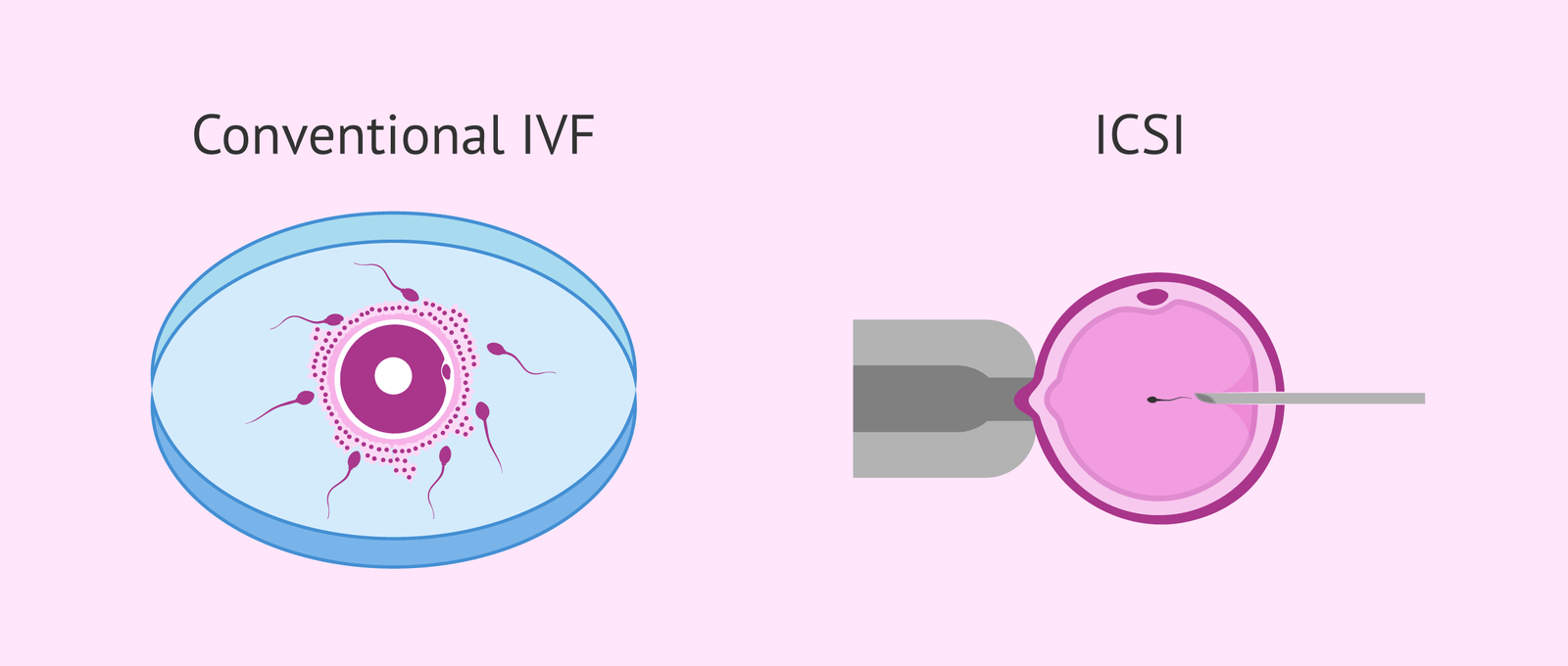
Fresh or frozen sperm is prepared and used to fertilise eggs in the laboratory. Conventional IVF or intracytoplasmic sperm injection (ICSI) may be used depending on sperm quality. Embryologists culture embryos for several days, assessing development.Embryo transfer (day 3 or day 5)
One or more embryos are placed into the uterus through a thin catheter—this is a brief, usually painless procedure. In many clinics, a single embryo transfer (SET) is recommended to reduce the chance of multiple pregnancy.Luteal support & pregnancy test
Hormonal support (usually progesterone) continues after transfer. A blood pregnancy test is done about 10–14 days after the transfer to confirm whether implantation occurred.Freezing & future cycles
Extra viable embryos can be frozen (cryopreserved) for future transfers. Frozen embryo transfers often give excellent outcomes and avoid repeating ovarian stimulation in every attempt
IVF & Indian regulations — what you should know
Why choose Sparsh Hospital for IVF?
Experienced fertility team: our gynaecologists, embryologists and support staff specialise in infertility and ART. (If you’d like, we can list the IVF team bios on the clinic page.)
Patient-centred care: we create tailored treatment plans that respect your medical needs, values, and budget.
Advanced lab & technology: modern embryology lab practices (ICSI, embryo culture up to blastocyst stage, vitrification for freezing, optional PGT) improve embryo selection and outcomes.
Transparent counselling & pricing: we ensure clear, upfront counselling about expected procedures, steps, costs, and emotional support options.
Follow-up & allied services: nutritional advice, lifestyle coaching, psychological counselling, and obstetric transition care for successful pregnancies.
Preparing for your first consultation — checklist
Bring to your appointment:
Copies of prior fertility tests (if any) — hormone reports, ultrasounds, semen analysis.
Medical history and medication list for both partners.
Questions about options (e.g., donor gametes, PGT, surrogacy).
Insurance documents (if you wish us to check coverage).
During your first visit we will explain the clinical plan, approximate costs, timeframes, and next steps.
Practical information — costs & financing (general guidance)
IVF costs vary based on protocol (medication intensity), additional procedures (ICSI, PGT), and whether donor gametes or surrogacy are involved. We provide a transparent cost estimate after initial tests. Several patients explore staged payment options or financing plans—speak to our administrative staff for details.
Patient stories & outcomes
How to start — contact Sparsh Hospital IVF team
If you are ready to take the next step, call our fertility coordinator or book an appointment online for an initial consultation. During that visit we will:
Review medical history and prior investigations.
Order any missing baseline tests.
Discuss an individualised treatment plan and estimated timeline.
Explain consent, costs, and regulatory aspects.
(Include contact details, map and online booking link on your website’s contact section — we can prepare a short “Book Now” banner copy if you’d like.)