
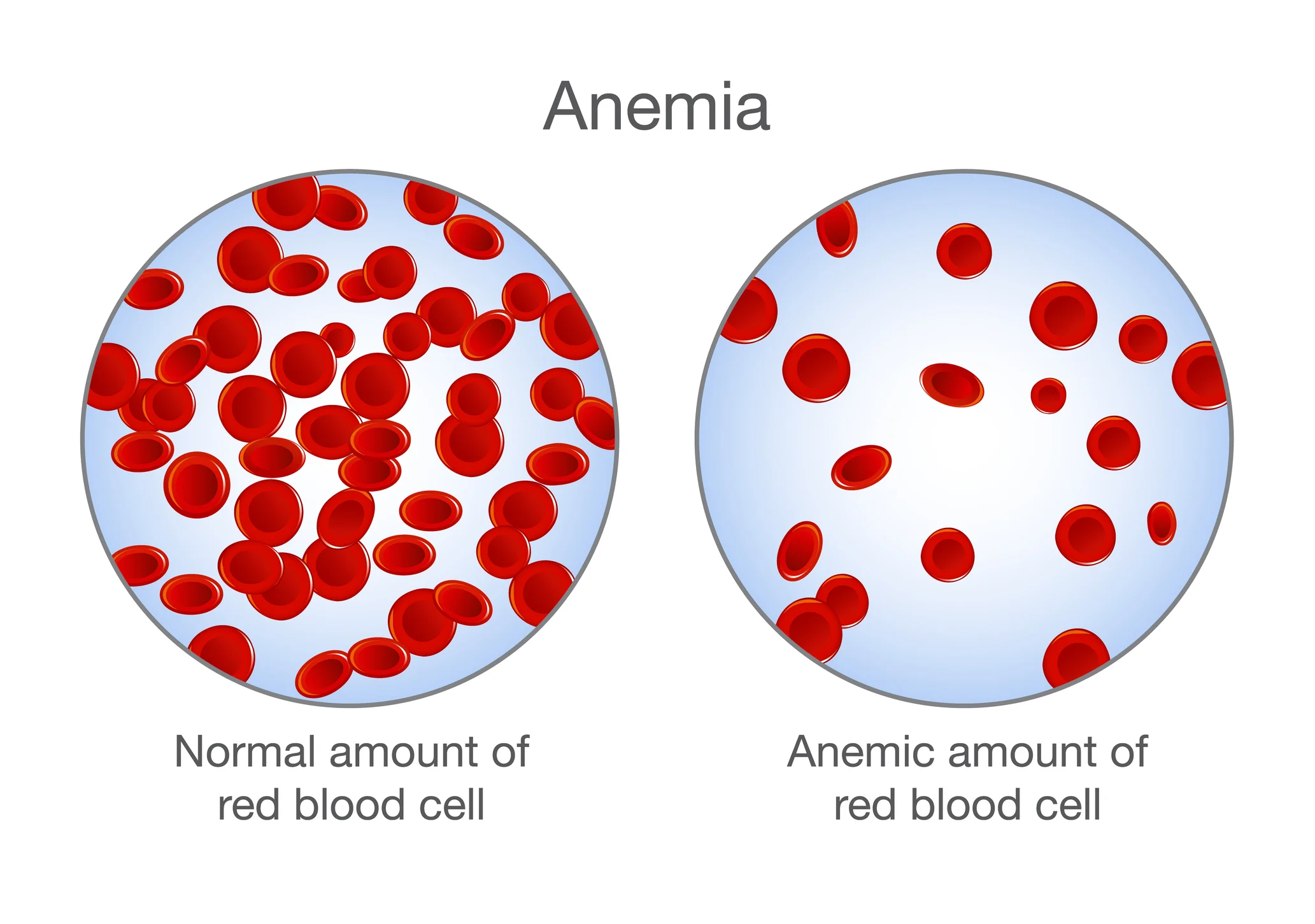
Causes of Anemia
Anemia can result from one or more of the following factors:
1. Reduced Red Blood Cell Production
The bone marrow may fail to produce enough red blood cells due to nutritional deficiencies, chronic diseases, or bone marrow disorders.
2. Excessive Blood Loss
Blood loss due to injury, surgery, heavy menstrual bleeding, gastrointestinal bleeding, or childbirth can lead to anemia.
3. Increased Destruction of Red Blood Cells
Certain conditions cause red blood cells to break down faster than they are produced, leading to hemolytic anemia.
Common Types of Anemia Disorders
Iron deficiency anemia is the most common form of anemia. It occurs when the body lacks enough iron to produce hemoglobin.
Causes include:
Poor dietary intake of iron
Chronic blood loss
Increased iron requirements during pregnancy
Poor iron absorption
Symptoms include:
Fatigue and weakness
Pale skin
Dizziness
Shortness of breath
Brittle nails
Vitamin Deficiency Anemia
This type of anemia occurs due to a deficiency of essential vitamins, especially vitamin B12 and folate.
Common causes include:
Poor nutrition
Digestive disorders affecting absorption
Long-term medication use
Symptoms include:
Fatigue
Tingling in hands and feet
Memory issues
Mouth ulcers
Aplastic Anemia
Aplastic anemia is a rare but serious condition where the bone marrow fails to produce sufficient blood cells.
Possible causes include:
Autoimmune diseases
Exposure to chemicals or radiation
Certain medications
Viral infections
Symptoms include:
Severe fatigue
Frequent infections
Easy bruising and bleeding
Hemolytic Anemia
In hemolytic anemia, red blood cells are destroyed faster than they can be replaced.
Causes may include:
Autoimmune conditions
Genetic disorders
Infections
Certain medications
Symptoms include:
Jaundice
Dark urine
Abdominal pain
Fatigue
Sickle Cell Anemia
Sickle cell anemia is an inherited disorder where red blood cells become rigid and sickle-shaped.
Key features include:
Chronic anemia
Episodes of severe pain
Increased risk of infections
Delayed growth in children
Thalassemia
Thalassemia is a genetic blood disorder that affects hemoglobin production.
Types include:
Alpha thalassemia
Beta thalassemia
Symptoms vary from mild to severe and may include:
Fatigue
Bone deformities
Delayed growth
Enlarged spleen
Anemia of Chronic Disease
This type of anemia occurs in people with long-term illnesses such as kidney disease, cancer, or autoimmune disorders.
Features include:
Mild to moderate anemia
Poor response to iron supplements
Symptoms related to the underlying disease
Symptoms of Anemia
The symptoms of anemia depend on its severity and cause. Common symptoms include:
Persistent tiredness
Weakness
Pale or yellowish skin
Shortness of breath
Rapid or irregular heartbeat
Headaches
Cold hands and feet
Difficulty concentrating
Severe anemia can lead to chest pain, fainting, and complications affecting the heart and other organs.
Diagnosis of Anemia at Sparsh Hospital
At Sparsh Hospital, we follow a systematic and patient-centric approach to diagnosing anemia disorders.
Medical History and Physical Examination
Our specialists carefully review symptoms, dietary habits, medical history, and family history.
Blood Tests
Complete blood count (CBC)
Hemoglobin levels
Iron studies
Vitamin B12 and folate levels
Reticulocyte count
Advanced Diagnostic Tests
Bone marrow examination (if required)
Genetic testing for inherited anemia
Tests to detect internal bleeding
Accurate diagnosis helps identify the exact type of anemia and guides effective treatment.
Treatment of Anemia Disorders
Treatment depends on the underlying cause, severity, and patient’s overall health.
Iron Therapy
Oral iron supplements
Intravenous iron therapy for severe cases
Vitamin Supplementation
Vitamin B12 injections or tablets
Folic acid supplementation
Blood Transfusion
Recommended in cases of severe anemia or acute blood loss.
Medications
Drugs to stimulate red blood cell production
Immunosuppressive therapy for autoimmune causes
Management of Underlying Conditions
Treating chronic diseases, infections, or hormonal imbalances helps control anemia.
Bone Marrow or Stem Cell Transplant
In selected severe cases, especially aplastic anemia or genetic disorders.
Anemia in Women
Women are at higher risk of anemia due to:
Menstrual blood loss
Pregnancy and breastfeeding
Nutritional deficiencies
At Sparsh Hospital, we offer specialized anemia care for women, focusing on prevention, early diagnosis, and safe treatment during pregnancy.
Anemia in Children
Anemia in children can affect growth, development, and learning.
Common causes include:
Iron deficiency
Genetic disorders
Poor nutrition
Early screening and timely treatment at Sparsh Hospital help ensure healthy growth and development.
Dietary Management for Anemia
Nutrition plays a vital role in both prevention and management of anemia.
Iron-rich foods include:
Green leafy vegetables
Pulses and legumes
Dates and raisins
Eggs
Fortified cereals
Vitamin-rich foods include:
Citrus fruits
Dairy products
Whole grains
Dietary counseling at Sparsh Hospital helps patients make informed food choices.
Prevention of Anemia
Balanced diet
Regular health checkups
Iron and vitamin supplements when advised
Early treatment of infections and chronic illnesses
Why Choose Sparsh Hospital for Anemia Treatment?
Experienced physicians and hematology specialists
Advanced diagnostic facilities
Personalized treatment plans
Comprehensive care for all age groups
Patient-focused and compassionate approach
At Sparsh Hospital, we are committed to providing accurate diagnosis, effective treatment, and continuous support for patients with anemia disorders.