
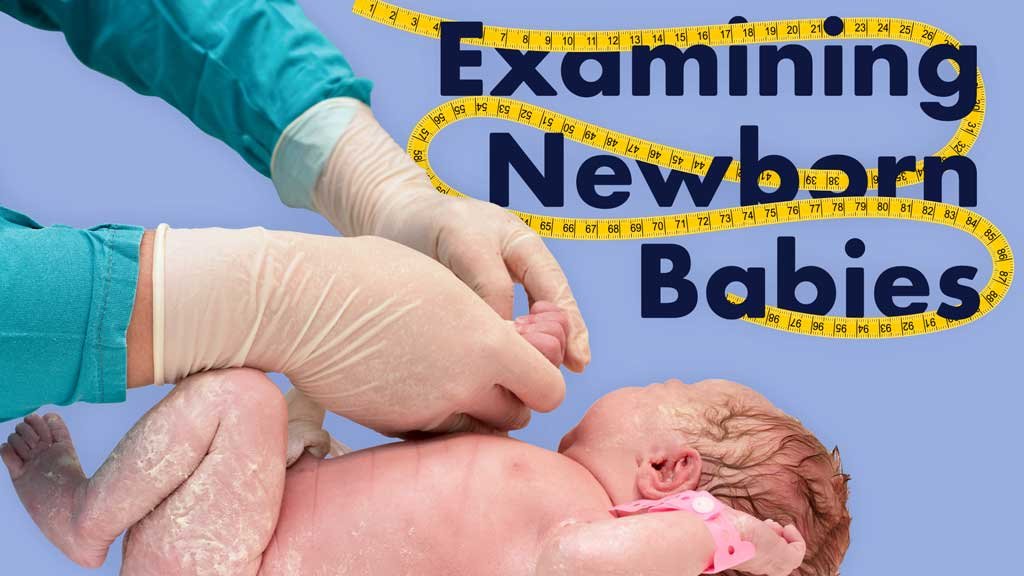
What Is a Complete Newborn Examination?
A complete newborn examination is a comprehensive head-to-toe medical evaluation performed on a baby shortly after birth and repeated before discharge. This examination assesses the newborn’s overall health, physical development, reflexes, organ systems, and vital functions.
The goal is to:
Confirm normal physical development
Identify congenital or birth-related conditions
Assess adaptation to breathing, feeding, and circulation
Detect infections, injuries, or metabolic concerns early
Provide parents with guidance on newborn care
At Sparsh Hospital, newborn examinations are conducted with utmost care, precision, and sensitivity to ensure both baby and parents feel comfortable and supported.
Importance of Complete Newborn Examination
The newborn period is a critical phase where early diagnosis can make a lifelong difference. Many conditions may not be visible immediately but can be detected through careful examination.
Key Benefits Include:
Early identification of congenital abnormalities
Timely intervention for breathing or heart issues
Assessment of feeding readiness
Monitoring neurological development
Prevention of long-term complications
Peace of mind for parents
At Sparsh Hospital, we believe that early care leads to healthier futures.
When Is the Newborn Examination Performed?
Newborn examinations at Sparsh Hospital are conducted at multiple stages:
Immediately after birth
Within the first 24 hours
Before hospital discharge
Follow-up examination if required
These assessments ensure the baby’s smooth transition to life outside the womb.
Who Performs the Newborn Examination?
The examination is carried out by:
Experienced pediatricians
Neonatologists
Trained nursing staff
Our team follows standardized clinical guidelines and uses evidence-based practices to ensure accurate assessment and gentle handling.
Components of Complete Newborn Examination
1. General Observation
The examination begins with observing the baby’s:
Color and skin tone
Activity level
Cry strength
Breathing pattern
Posture and movements
These observations provide valuable clues about the baby’s overall health.
2. Measurement of Growth Parameters
Accurate measurements help assess whether the baby’s growth is appropriate for gestational age.
Weight
Length
Head circumference
Chest circumference
These measurements are documented and monitored for future reference.
3. Vital Signs Assessment
Vital signs indicate how well the newborn’s body systems are functioning.
Heart rate
Respiratory rate
Body temperature
Oxygen saturation (if required)
Any abnormalities are addressed immediately by our neonatal care team.
4. Skin Examination
The skin is examined for:
Birthmarks
Rashes
Bruising
Jaundice
Infections
Skin color changes
Special attention is given to detecting early signs of neonatal jaundice or skin infections.
5. Head and Skull Examination
The pediatrician checks:
Head shape and symmetry
Fontanelles (soft spots)
Scalp condition
Birth-related swelling or bruising
This helps detect birth injuries or developmental concerns.
6. Eye Examination
The eyes are examined for:
Eye opening and movement
Pupillary response
Red reflex
Signs of infection or discharge
Early detection of eye issues ensures prompt treatment.
7. Ear, Nose, and Throat Examination
This includes checking:
Ear shape and position
Ear canal patency
Nasal passages for breathing
Oral cavity, gums, tongue, and palate
Cleft palate or feeding-related concerns can be identified at this stage.
8. Chest and Lung Examination
The doctor listens to the lungs to assess:
Breathing sounds
Symmetry of chest movements
Signs of respiratory distress
This is crucial for detecting breathing difficulties early.
9. Heart Examination
The heart is carefully examined using a stethoscope to check:
Heart rate and rhythm
Presence of murmurs
Signs of congenital heart disease
Early identification allows timely referral and management.
10. Abdomen Examination
The abdomen is examined for:
Softness and shape
Liver and spleen size
Umbilical cord condition
Hernias or swelling
Proper abdominal assessment ensures healthy digestion and organ function.
Screening Tests During Newborn Examination
At Sparsh Hospital, newborn screening tests may include:
Blood sugar screening
Hearing screening
Jaundice assessment
Oxygen saturation screening
Metabolic screening (as advised)
These tests help detect conditions that may not show immediate symptoms.
Feeding Assessment
Feeding is a vital indicator of newborn health. During the examination, doctors assess:
Breastfeeding or formula feeding ability
Latch and sucking strength
Swallowing coordination
Signs of feeding difficulty
Parents receive guidance and support to establish healthy feeding practices.
Parental Guidance and Counseling
At Sparsh Hospital, we believe parents are partners in newborn care. After the examination, parents are counseled on:
Newborn feeding
Umbilical cord care
Bathing and hygiene
Safe sleeping positions
Recognizing danger signs
Immunization schedule
Follow-up visits
We ensure parents leave the hospital confident and informed.