
Understanding Epilepsy and Seizure Disorders
Types of Seizures
Understanding the type of seizure is essential for accurate diagnosis and effective treatment. Seizures are broadly classified into the following categories:
Focal (Partial) Seizures
These seizures start in one specific area of the brain.
Focal aware seizures: Consciousness is preserved
Focal impaired awareness seizures: Altered consciousness or confusion
Generalized Seizures
These involve both sides of the brain from the onset.
Tonic-clonic seizures (previously known as grand mal)
Absence seizures (brief staring spells, common in children)
Myoclonic seizures (sudden muscle jerks)
Atonic seizures (sudden loss of muscle tone)
Unknown Onset Seizures
When the exact origin of the seizure is unclear.
At Sparsh Hospital, our specialists carefully classify seizure types to ensure precise treatment and better outcomes.
Causes of Epilepsy and Seizures
Epilepsy can have multiple causes, and in some cases, the exact cause may not be identified. Common causes include:
Head injury or brain trauma
Stroke or brain hemorrhage
Brain tumors or infections
Genetic factors
Birth injuries or developmental disorders
High fever seizures in childhood
Metabolic imbalances
Central nervous system infections such as meningitis or encephalitis
Identifying the underlying cause is a crucial step in planning effective treatment at Sparsh Hospital.
Symptoms and Warning Signs
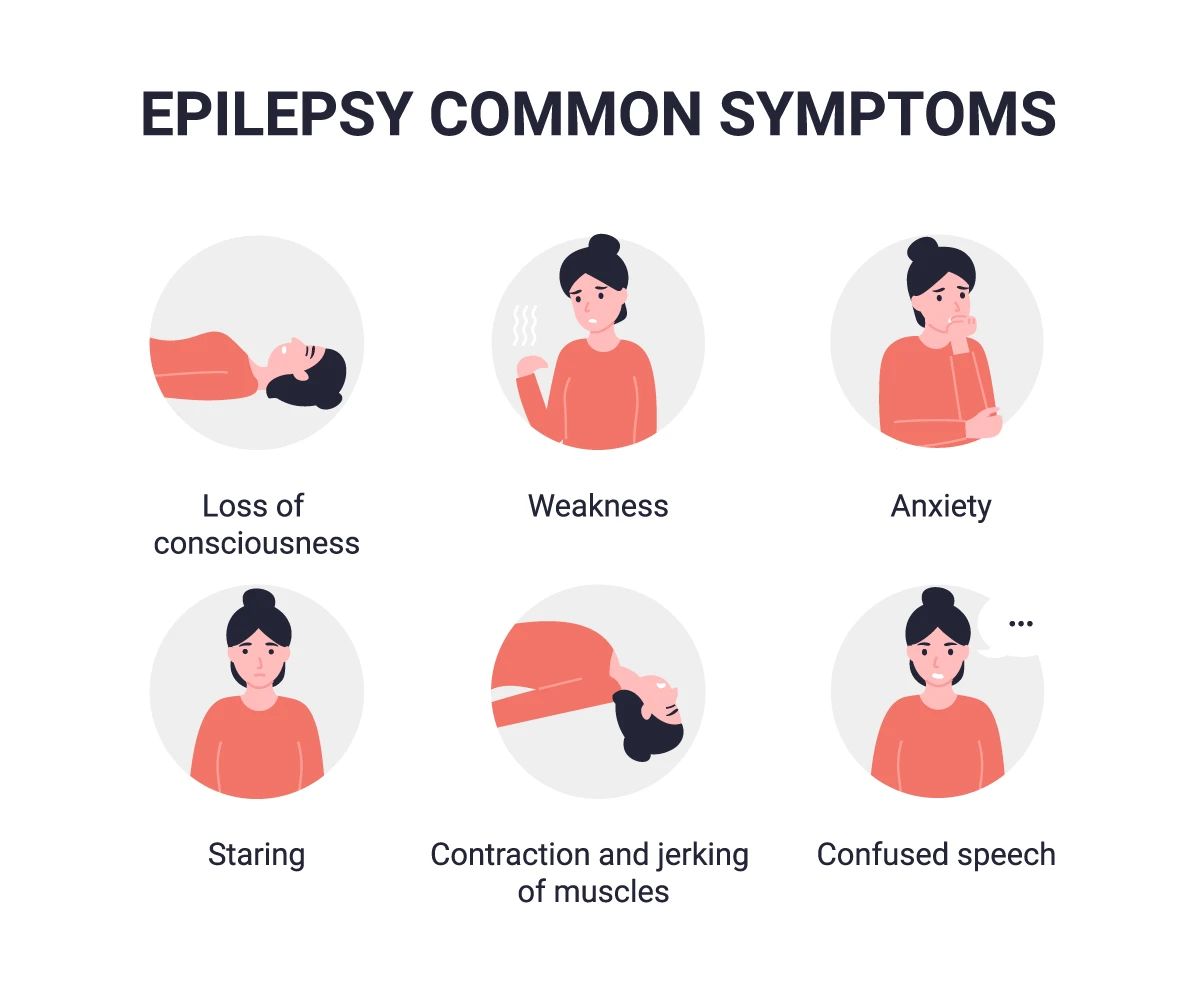
Symptoms of epilepsy vary depending on the type of seizure. Common signs include:
Sudden loss of consciousness
Uncontrolled jerking movements
Staring spells
Confusion or disorientation
Sudden falls
Repetitive movements such as lip smacking
Temporary memory loss
Tingling or unusual sensations
Early recognition and timely medical consultation can significantly reduce complications and improve seizure control.
Diagnosis of Epilepsy at Sparsh Hospital
Accurate diagnosis is the foundation of effective epilepsy management. At Sparsh Hospital, we use a comprehensive diagnostic approach that includes:
Detailed Medical History
We evaluate seizure patterns, frequency, triggers, and family history.
Neurological Examination
A thorough assessment of brain and nervous system function.
Electroencephalogram (EEG)
Records brain electrical activity to identify abnormal patterns.
Imaging Studies
MRI and CT scans help detect structural abnormalities in the brain.
Blood Tests
To identify metabolic or genetic causes.
Video EEG Monitoring
Used in complex cases to capture seizures and correlate symptoms with brain activity.
Our multidisciplinary team ensures precise diagnosis and personalized treatment planning.
Treatment Options for Epilepsy and Seizure Disorders
At Sparsh Hospital, treatment is tailored to each patient’s specific condition, age, lifestyle, and medical history.
Anti-Seizure Medications
Medications are the first line of treatment for most patients. The goal is complete seizure control with minimal side effects. Treatment plans are carefully adjusted based on response and tolerance.
Lifestyle Modifications
Patients are guided on:
Regular sleep patterns
Stress management
Avoiding seizure triggers
Maintaining medication adherence
Dietary Therapy
Specialized diets may be recommended in selected cases, especially in children with drug-resistant epilepsy.
Surgical Evaluation
For patients with seizures that do not respond to medications, surgical options may be considered after detailed evaluation.
Long-Term Monitoring
Continuous follow-up helps adjust treatment, monitor side effects, and ensure long-term seizure control.
Epilepsy Care for Children
Childhood epilepsy requires special attention and expertise. At Sparsh Hospital, we provide child-friendly evaluation and treatment, focusing on both medical management and developmental support.
Our pediatric epilepsy care emphasizes:
Accurate diagnosis of seizure type
Safe and effective medication use
Monitoring growth, learning, and behavior
Counseling for parents and caregivers
School and activity guidance
Early intervention can significantly improve outcomes and development.
Epilepsy Care for Adults and Elderly Patients
Epilepsy in adults and older individuals may be associated with stroke, head injury, or age-related brain changes. Sparsh Hospital offers age-appropriate care with a focus on:
Managing co-existing medical conditions
Reducing medication interactions
Preventing injuries related to seizures
Enhancing independence and quality of life
Managing Epilepsy in Daily Life
Living with epilepsy involves more than just medical treatment. At Sparsh Hospital, we guide patients on practical aspects of daily living, including:
Driving and safety precautions
Workplace and school considerations
Physical activity and exercise
Sleep and stress management
Travel and lifestyle planning
Patient education plays a vital role in seizure control and confidence building.
Emergency Care for Seizures
Some seizures require immediate medical attention. Sparsh Hospital is equipped to handle seizure emergencies such as:
Prolonged seizures
Repeated seizures without recovery
Seizures with injury or breathing difficulty
First-time seizures
Our emergency team ensures rapid stabilization, evaluation, and appropriate treatment.
Psychological and Emotional Support
Epilepsy can affect emotional well-being and mental health. Anxiety, depression, and social stigma are common concerns. At Sparsh Hospital, we address these aspects through:
Counseling and psychological support
Family education
Encouraging social integration
Long-term emotional care
We believe holistic care is essential for overall recovery and well-being.
Why Choose Sparsh Hospital for Epilepsy Care?
Sparsh Hospital stands out for its patient-focused and comprehensive epilepsy services:
Experienced neurologists and specialists
Advanced diagnostic facilities
Personalized treatment plans
Child and adult epilepsy care
Emergency seizure management
Long-term follow-up and support
Compassionate and ethical medical care
Our commitment is to help patients live seizure-free lives with dignity and confidence.