
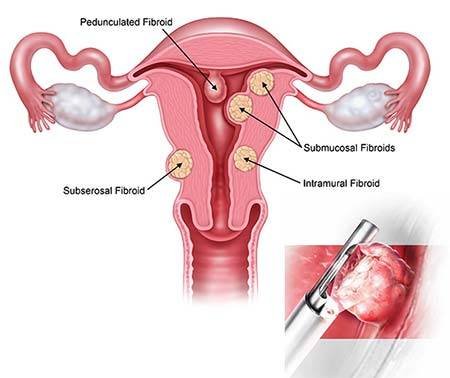
Understanding Uterine Fibroids
Fibroids are classified into:
Submucosal Fibroids – develop inside the uterine cavity
Intramural Fibroids – grow within the uterine muscle
Subserosal Fibroids – grow on the outer surface of the uterus
Pedunculated Fibroids – attached to the uterus by a stalk
Understanding the type and location helps us plan the most effective removal method.
Causes of Fibroids
The exact cause is unknown, but common factors include:
Hormonal imbalance – especially estrogen
Genetic predisposition
Obesity
Early onset of menstruation
Pregnancy
Lifestyle factors
At Sparsh Hospital, we perform a detailed evaluation to understand individual risk factors and offer specially tailored treatment plans.
Common Symptoms of Uterine Fibroids
Although many fibroids do not cause symptoms, some may lead to:
Heavy or prolonged menstrual bleeding
Pelvic pressure or pain
Frequent urination
Difficulty emptying the bladder
Constipation
Lower back pain
Pain during intercourse
Fatigue due to anemia
Difficulty conceiving
If you are experiencing these symptoms, early evaluation helps in preventing complications.
Fibroid Diagnosis at Sparsh Hospital
We use a combination of history, physical examination, and advanced imaging to accurately diagnose fibroids.
1. Pelvic Ultrasound
A simple, painless first step to identify fibroids and measure their size.
2. Transvaginal Scan (TVS)
Provides a clearer view of the uterus and helps detect even small fibroids.
3. MRI Scan
Used for complex or multiple fibroids to plan minimally invasive surgery.
4. Hysteroscopy
A thin telescope is inserted through the vagina to view fibroids inside the uterine cavity.
5. Blood Tests
To assess anemia, hormonal levels, and overall health before treatment.
Fibroid Removal Treatment Options at Sparsh Hospital
Medication Management
Used for small, non-problematic fibroids to control symptoms.
Hormonal therapy
Pain relief medicines
Iron supplements for anemia
GnRH agonists to shrink fibroids temporarily
Note: Medicines do not permanently remove fibroids but can offer symptom relief.
Surgical Fibroid Removal (Myomectomy)
For women who want to preserve fertility or the uterus, myomectomy is the best solution. Sparsh Hospital specializes in all three advanced myomectomy methods.
2. Laparoscopic Myomectomy (Minimally Invasive)
A keyhole surgery performed through tiny incisions.
Benefits:
Less pain
Minimal blood loss
Quick recovery
Smaller scars
Short hospital stay
Ideal for: medium-sized or multiple fibroids.
3. Hysteroscopic Myomectomy
Non-incision procedure performed through the vagina to remove submucosal fibroids.
Benefits:
No cuts
Day-care procedure
Immediate symptom relief
Fastest recovery
4. Robotic Myomectomy (If available)
High-precision technique using robotic arms for improved accuracy.
Recommended for complex fibroids.
Fibroid Removal for Women Not Planning Pregnancy
5. Hysterectomy (Uterus Removal)
A permanent solution for severe fibroids not responding to other treatments.
Types include:
Total hysterectomy
Laparoscopic hysterectomy
Vaginal hysterectomy
We ensure compassionate counseling to help patients make a comfortable and informed decision.
Non-Surgical Removal Techniques
6. Uterine Artery Embolization (UAE)
A minimally invasive method that blocks blood supply to fibroids, causing them to shrink.
Best for: women who want to avoid surgery but no longer plan pregnancy.
7. Radiofrequency Ablation (RFA)
Uses heat to shrink fibroids with minimal downtime.
Why Choose Sparsh Hospital for Fibroid Removal?
✔ Expert Gynecologists
Highly experienced specialists trained in advanced fibroid removal and minimally invasive surgery.
✔ State-of-the-Art Operation Theatres
Modern laparoscopic and hysteroscopic setup for safe, precise procedures.
✔ Personalized Treatment Plans
Every woman receives a customized approach based on her symptoms and future fertility plans.
✔ High Success Rates
Thousands of successful fibroid removal procedures with quick recovery.
✔ Compassionate Women-Centric Care
We prioritize patient comfort, privacy, and emotional support.
✔ Affordable Treatment Packages
Transparent pricing with no hidden charges.
✔ Holistic Healing Support
Includes diet counseling, pain management, fertility guidance, and follow-up care.
Recovery After Fibroid Removal Surgery
Recovery varies depending on the procedure:
Laparoscopic Myomectomy
Hospital stay: 1–2 days
Recovery time: 1–3 weeks
Hysteroscopic Myomectomy
Same-day discharge
Recovery: 2–3 days
Open Myomectomy
(Sometimes required for very large fibroids)
Hospital stay: 3–4 days
Recovery: 4–6 weeks
General Recovery Tips:
Avoid lifting heavy objects for a few weeks
Follow prescribed medications
Keep the surgical site clean
Attend follow-up appointments
Stay hydrated and eat iron-rich foods
Resume activities gradually
Sparsh Hospital’s dedicated nursing and physiotherapy team ensures a smooth, stress-free recovery.
Fertility After Fibroid Removal
Many women can conceive naturally after myomectomy. Our gynecologists provide:
Pre-pregnancy counseling
Hormonal evaluation
Ultrasound monitoring
Guidance for safe conception and pregnancy
IVF referral if needed
We help women achieve healthy pregnancies after fibroid treatment.
Preventing Fibroid Recurrence
While fibroids may recur, you can reduce the risk by:
Maintaining a healthy weight
Regular exercise
Managing stress
Eating a balanced diet
Having regular gynecological check-ups
Our doctors provide lifestyle guidance for long-term health.