
Understanding Infertility
Common causes of female infertility include:
Blocked or damaged fallopian tubes
Endometriosis
Ovarian cysts
Polycystic Ovary Syndrome (PCOS)
Uterine abnormalities
Pelvic infections or adhesions
When routine tests such as ultrasound, blood tests, and hormonal evaluations do not provide clear answers, laparoscopy becomes an essential diagnostic and therapeutic tool.
What Is Laparoscopy for Fertility?
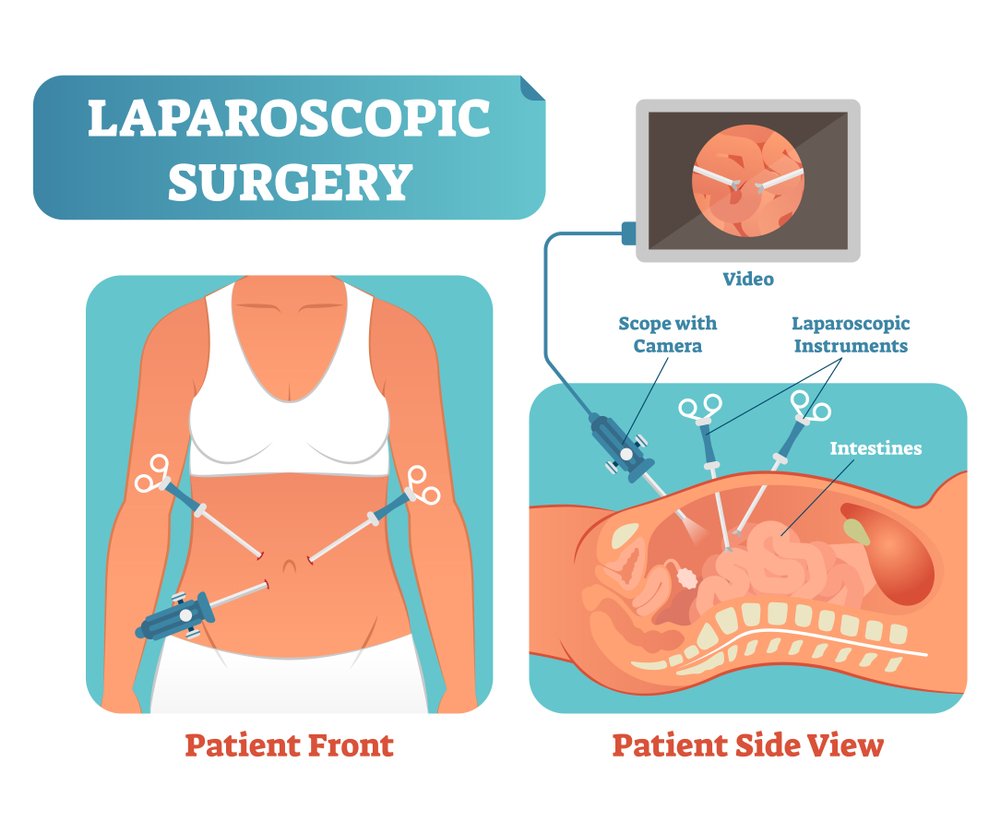
Laparoscopy is a minimally invasive surgical procedure that allows doctors to view the internal reproductive organs using a thin, lighted camera called a laparoscope. It is performed through very small incisions in the abdomen, usually near the navel.
In fertility treatment, laparoscopy helps in:
Diagnosing hidden causes of infertility
Treating conditions affecting conception
Improving the chances of natural pregnancy
Enhancing success rates of assisted reproductive techniques
At Sparsh Hospital, laparoscopy is performed using advanced equipment and modern surgical techniques to ensure safety, accuracy, and faster recovery.
Why Laparoscopy Is Important in Fertility Evaluation
Many fertility issues cannot be detected through ultrasound or routine investigations. Laparoscopy provides direct visualization of the pelvic organs, allowing doctors to identify problems that may otherwise go unnoticed.
Through laparoscopy, doctors can examine:
Uterus
Ovaries
Fallopian tubes
Pelvic cavity
As a result, laparoscopy plays a crucial role in diagnosing unexplained infertility and planning the most effective treatment approach.
Conditions Diagnosed Through Laparoscopy
1. Blocked Fallopian Tubes
Blocked tubes prevent the egg and sperm from meeting. Laparoscopy helps identify:
Tubal blockages
Tubal damage
Peritubal adhesions
In many cases, corrective surgery can be performed during the same procedure.
2. Endometriosis
Endometriosis occurs when tissue similar to the uterine lining grows outside the uterus. It can cause:
Chronic pelvic pain
Painful periods
Difficulty conceiving
Laparoscopy is the gold standard for diagnosing and treating endometriosis.
3. Ovarian Cysts
Certain ovarian cysts, such as endometriomas, can interfere with ovulation and fertility. Laparoscopy allows precise removal while preserving ovarian function.
4. Pelvic Adhesions
Adhesions are bands of scar tissue that may form due to infections, previous surgeries, or inflammation. These can restrict movement of reproductive organs and affect fertility.
5. Uterine Abnormalities
Although many uterine conditions are detected through hysteroscopy or ultrasound, laparoscopy can identify external uterine issues such as fibroids affecting fertility.
Therapeutic Benefits of Laparoscopy
One of the greatest advantages of laparoscopy is that diagnosis and treatment can be done simultaneously. During the same procedure, doctors can:
Open blocked fallopian tubes
Remove endometriosis lesions
Excise ovarian cysts
Release pelvic adhesions
Improve pelvic anatomy
This dual benefit reduces the need for multiple procedures and speeds up the fertility journey.
Laparoscopy vs Open Surgery
Compared to traditional open surgery, laparoscopy offers several advantages:
Smaller incisions
Minimal blood loss
Reduced pain
Lower risk of infection
Faster recovery
Shorter hospital stay
Minimal scarring
At Sparsh Hospital, laparoscopy is preferred whenever possible to ensure patient comfort and safety.
Who Should Consider Laparoscopy for Fertility?
Laparoscopy may be recommended for:
Unexplained infertility
Suspected endometriosis
History of pelvic infections
Previous abdominal or pelvic surgeries
Failed fertility treatments
Suspected tubal factor infertility
Your fertility specialist at Sparsh Hospital will evaluate your medical history and recommend laparoscopy only when it is truly beneficial.
Preparation for Laparoscopy
Before the procedure, patients undergo a thorough evaluation, including:
Blood tests
Imaging studies
Anesthesia assessment
Patients are advised to:
Avoid eating or drinking for a specified time before surgery
Inform the doctor about medications
Follow pre-procedure instructions carefully
Our team ensures that patients feel informed, comfortable, and confident before undergoing laparoscopy.
How the Procedure Is Performed
Laparoscopy is usually performed under general anesthesia. The steps include:
A small incision near the navel
Insertion of the laparoscope
Inflation of the abdomen with gas for better visualization
Examination and treatment of pelvic organs
Closure of incisions
The procedure typically lasts between 30 minutes to 2 hours, depending on the complexity.
Recovery After Laparoscopy
Recovery from laparoscopy is generally quick and smooth. Most patients:
Return home within 24 hours
Resume normal activities within a few days
Experience minimal post-operative discomfort
At Sparsh Hospital, post-procedure care includes pain management, follow-up consultations, and fertility guidance to ensure optimal recovery and results.
Laparoscopy and Pregnancy Outcomes
Many women conceive naturally after laparoscopic treatment. Additionally, correcting underlying issues improves the success rates of fertility treatments such as:
Ovulation induction
Intrauterine insemination (IUI)
In vitro fertilization (IVF)
By restoring normal pelvic anatomy, laparoscopy enhances the chances of successful conception.
Why Choose Sparsh Hospital for Laparoscopy for Fertility?
Sparsh Hospital is known for its patient-centric approach and excellence in women’s healthcare. Our strengths include:
Experienced fertility specialists
Advanced laparoscopic technology
Comprehensive infertility evaluation
Personalized treatment plans
Compassionate care and support
We understand the emotional aspects of infertility and provide holistic care throughout the journey.