
Advanced Minimally Invasive Gynecological Care in Nagpur
Introduction to Minimally Invasive Gynecologic Surgery
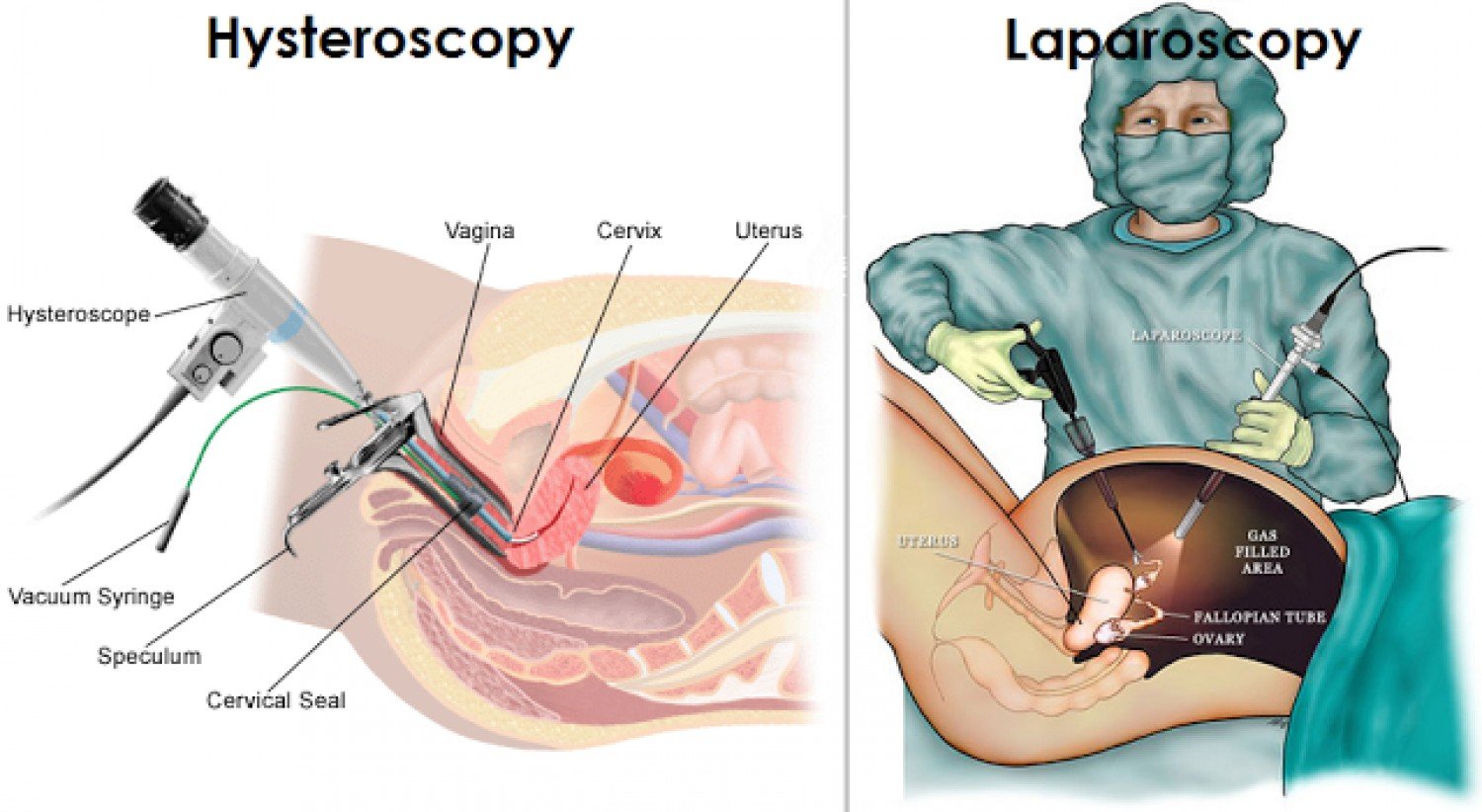
Minimally invasive surgery (MIS) has transformed modern gynecology by replacing large incisions with small keyhole cuts or natural entry (through the vagina). Laparoscopy and Hysteroscopy are the two most commonly used MIS techniques in evaluating and treating female reproductive issues.
These procedures provide precise diagnosis and effective treatment with minimal trauma to the body. As a result, patients experience:
Less pain
Minimal scarring
Shorter hospital stay
Quick recovery
Higher success rates in fertility treatments
At Sparsh Hospital, we specialize in offering these minimally invasive options using advanced HD cameras, high-quality instruments, and the expertise of experienced surgeons.
What Is Laparoscopy?
How Laparoscopy Works
Conditions Treated with Laparoscopy at Sparsh Hospital
Our team specializes in laparoscopic management of a wide range of conditions:
1. Ovarian Cysts
Removal of simple and complex ovarian cysts
Preservation of ovarian tissue to maintain fertility
2. Endometriosis
Diagnosis and staging
Removal of endometrial implants
Treatment of chocolate cysts (endometriomas)
3. Fibroids
Laparoscopic Myomectomy to remove fibroids while preserving the uterus
4. Ectopic Pregnancy
Life-saving surgical management with minimal damage to reproductive organs
5. Infertility Evaluation
Checking tubal patency
Diagnosis of pelvic adhesions
Treating anatomical abnormalities
6. Pelvic Inflammatory Disease (PID)
Adhesiolysis
Drainage of abscesses
7. Laparoscopic Hysterectomy
Removal of the uterus for conditions like fibroids, adenomyosis, heavy bleeding
Types of Laparoscopic Procedures Offered
Diagnostic Laparoscopy
Used to identify the cause of infertility, pelvic pain, or unexplained symptoms.
Operative Laparoscopy
Performed when treatment is needed, such as removing cysts, fibroids, adhesions, or repairing damaged organs.
Laparoscopic Hysterectomy
A minimally invasive alternative to open surgery for uterus removal.
Laparoscopic Tubal Recanalization
Reopens blocked fallopian tubes in women trying to conceive after tubectomy.
Benefits of Laparoscopy at Sparsh Hospital
Minimal Pain compared to open surgery
Very small scars and cosmetically appealing results
Fast recovery and early return to routine
Short hospital stay (often same-day discharge)
Lower risk of complications
Reduced blood loss during surgery
High accuracy in diagnosing pelvic conditions
What Is Hysteroscopy?
Conditions Treated with Hysteroscopy at Sparsh Hospital
1. Uterine Polyps
Removal of growths that may cause heavy bleeding or infertility.
2. Submucosal Fibroids
Precise removal without harming the uterus.
3. Uterine Septum
Correction of congenital uterine anomalies that cause recurrent miscarriages.
4. Adhesions (Asherman’s Syndrome)
Restoration of normal uterine cavity by removing scar tissue.
5. Abnormal Uterine Bleeding
Evaluation and treatment of heavy or irregular bleeding.
6. Retained Products of Conception (RPOC)
Safe removal after miscarriage or delivery.
Types of Hysteroscopic Procedures at Sparsh Hospital
Diagnostic Hysteroscopy
To detect abnormalities inside the uterus.
Operative Hysteroscopy
To correct structural issues such as polyps, fibroids, adhesions, or septum.
Hysteroscopic Polypectomy
Removal of endometrial polyps.
Hysteroscopic Myomectomy
Treatment for fibroids located inside the uterus.
Benefits of Hysteroscopy
No incisions, completely scar-free
Quick procedure, usually 15–30 minutes
Minimal pain and discomfort
Same-day discharge
Immediate return to routine activities
High success rate in fertility treatments
Better visualization of the uterine cavity
Laparoscopy vs Hysteroscopy – What’s the Difference?
| Feature | Laparoscopy | Hysteroscopy |
|---|---|---|
| Area Examined | Abdomen & pelvis | Inside uterus |
| Method | Small abdominal cuts | Vaginal approach |
| Used For | Ovaries, tubes, uterus, pelvis | Uterine cavity |
| Type | Diagnostic & Operative | Diagnostic & Operative |
| Recovery | 2–7 days | Same day |
Laparoscopy & Hysteroscopy for Infertility
At Sparsh Hospital, these procedures play a major role in boosting fertility:
Helps identify hidden causes
Endometriosis
Tubal blockages
Pelvic adhesions
Fibroids
Uterine anomalies
Improves chances of natural conception
Correcting these issues significantly enhances the possibility of pregnancy.
Prepares the uterus for IVF
Hysteroscopy ensures the uterine cavity is healthy before embryo transfer.
Pre-Procedure Preparation
Before undergoing Laparoscopy or Hysteroscopy, patients receive full guidance and evaluation:
Medical Assessment
Medical history
Pelvic examination
Ultrasound
Blood tests
Fertility evaluation (if applicable)
Instructions Before Surgery
Fasting for 6–8 hours
Stopping certain medications
Arranging for someone to accompany you
Our team provides detailed counseling to ease anxiety and ensure a smooth experience.
How the Procedures Are Performed at Sparsh Hospital
Laparoscopy Procedure Steps
General anesthesia is given.
A small incision is made near the belly button.
Gas is filled to expand the abdomen.
The laparoscope is inserted and visuals are displayed on a monitor.
Additional small incisions may be made to insert instruments.
Treatment or diagnosis is performed.
Incisions are closed with sutures.
Hysteroscopy Procedure Steps
No abdominal cuts required.
A hysteroscope is passed through the vagina and cervix.
Uterus is gently distended with saline for clear viewing.
Camera sends images to a monitor.
Polyps, fibroids, or adhesions are treated if required.
Recovery & Aftercare
After Laparoscopy
Mild pain or discomfort for 1–2 days
Slight bloating
Resume work within 3–7 days
Follow-up appointment recommended
After Hysteroscopy
Minimal cramping
Spotting for 1–2 days
Resume normal activities within 24 hours
Patients are given personalized recovery instructions and 24/7 support.