
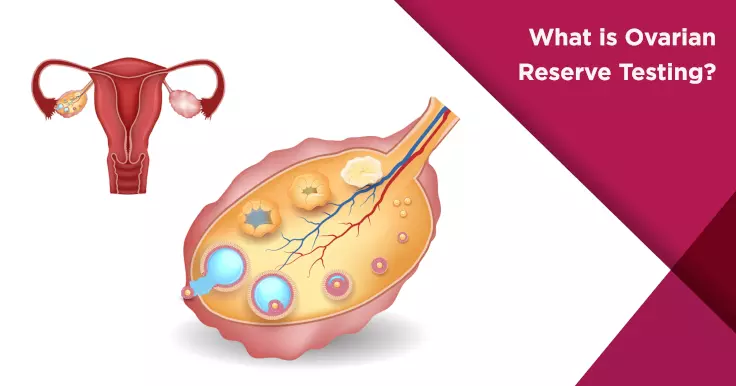
What Is Ovarian Reserve?
What Is the AMH Test?
The Anti-Müllerian Hormone (AMH) is a hormone produced by the small follicles in a woman’s ovaries. Measuring AMH levels gives an accurate estimate of how many eggs remain. It is one of the most reliable and stable indicators of ovarian reserve.
Unlike other hormone tests, AMH levels remain relatively constant throughout the menstrual cycle, which means the test can be done on any day.
Why Is AMH Testing Important?
AMH testing provides essential information for women planning pregnancy now or in the future. It is especially recommended in cases of:
Difficulty conceiving for 6 months to 1 year
Irregular periods or signs of hormonal imbalance
Delayed family planning (women above 30–35 years)
Suspected low egg reserve or early menopause
Previous poor response to fertility treatments
Polycystic Ovary Syndrome (PCOS)
History of ovarian surgery, chemotherapy, or radiation
Recurrent pregnancy loss
Planning IVF or ICSI treatment
At Sparsh Hospital, AMH testing is part of a complete fertility assessment to give you a clear understanding of your reproductive health.
How Is the AMH Test Done?
The AMH test is a simple blood test that requires no fasting, no special preparation, and can be done at any time during the menstrual cycle.
Procedure:
A small blood sample is collected.
The hormone levels are analyzed using advanced equipment.
A detailed report is generated.
Our gynecologist explains the results and what they mean for your fertility treatment.
It is fast, accurate, and completely safe.
Understanding AMH Test Results
Your AMH value reflects your egg count, not the quality of your eggs. Here is a general interpretation:
| AMH Level (ng/mL) | Interpretation |
|---|---|
| Above 4.0 | Very high (often seen in PCOS) |
| 2.0 – 4.0 | Normal egg reserve |
| 1.0 – 2.0 | Low-normal egg reserve |
| 0.5 – 1.0 | Low egg reserve |
| Below 0.5 | Very low ovarian reserve |
However, AMH levels can vary person to person. At Sparsh Hospital, our specialists interpret your results considering:
Age
Menstrual history
Ultrasound findings (Antral Follicle Count)
Hormonal profile
Overall reproductive health
This ensures you receive a clear, personalized explanation.
What Causes Low AMH Levels?
Several factors can lead to a reduced ovarian reserve:
1. Age
The natural decline starts after 30 and accelerates after 35.
2. Genetics
Some women naturally have fewer eggs due to genetic factors.
3. Premature Ovarian Insufficiency (POI)
Early menopause can significantly lower AMH.
4. Autoimmune Conditions
Some immune disorders affect ovarian function.
5. Endometriosis
Ovarian cysts (endometriomas) may damage healthy ovarian tissue.
6. Lifestyle Factors
Smoking, stress, poor diet, and exposure to environmental toxins.
7. Medical Treatments
Chemotherapy, radiation, or ovarian surgeries may reduce egg reserve.
Symptoms That May Indicate Low Ovarian Reserve
Though many women do not show obvious symptoms, possible indicators include:
Irregular periods
Short menstrual cycles
Difficulty getting pregnant
Unexplained infertility
Poor response to fertility medications
Hot flashes or early menopause symptoms
If you experience any of these signs, visiting a fertility specialist is important.
Ovarian Reserve Testing at Sparsh Hospital
At Sparsh Hospital, we follow a comprehensive and evidence-based approach to ovarian reserve assessment:
1. AMH Blood Test
Highly reliable indicator of egg count.
2. Antral Follicle Count (AFC)
A transvaginal ultrasound that counts the number of small follicles in the ovaries.
3. Baseline Hormonal Profile
Includes FSH, LH, Estradiol, and other hormones that influence fertility.
4. Medical & Reproductive History Evaluation
To understand lifestyle, age, previous treatments, or underlying conditions.
This 360° assessment gives a complete picture of your fertility health.
How AMH Test Helps in Fertility Treatment Planning
AMH results guide your fertility specialist in choosing the right treatment path:
1. Natural Conception Planning
Determining how long to try naturally before seeking treatment.
2. Ovulation Induction
Choosing the right medications to stimulate egg growth.
3. Intrauterine Insemination (IUI)
Predicts the chances of success and expected response to medication.
4. In Vitro Fertilization (IVF)
AMH levels help decide:
Medication dosage
Expected egg count
Whether advanced techniques like ICSI are needed
5. Egg Freezing
Women with low AMH are advised not to delay egg freezing or fertility planning.
6. Donor Egg IVF
AMH may help determine if donor eggs are a better option in severe cases.
Does a Low AMH Mean You Cannot Get Pregnant?
Low AMH indicates fewer eggs but does not mean zero fertility. Many women with low AMH conceive naturally or with treatments like:
Ovulation induction
IUI
IVF/ICSI
Advanced fertility therapies
At Sparsh Hospital, we personalize every fertility plan based on ovarian reserve, age, and medical conditions to maximize success.
Can AMH Levels Be Improved?
While AMH reflects the number of eggs and cannot be increased significantly, ovarian function can be supported through:
Healthy diet
Vitamin supplementation (CoQ10, Vitamin D, etc.)
Stress management
Treating underlying conditions like PCOS or thyroid imbalance
Our fertility experts create personalized lifestyle and supplement guidelines to support your reproductive health.