
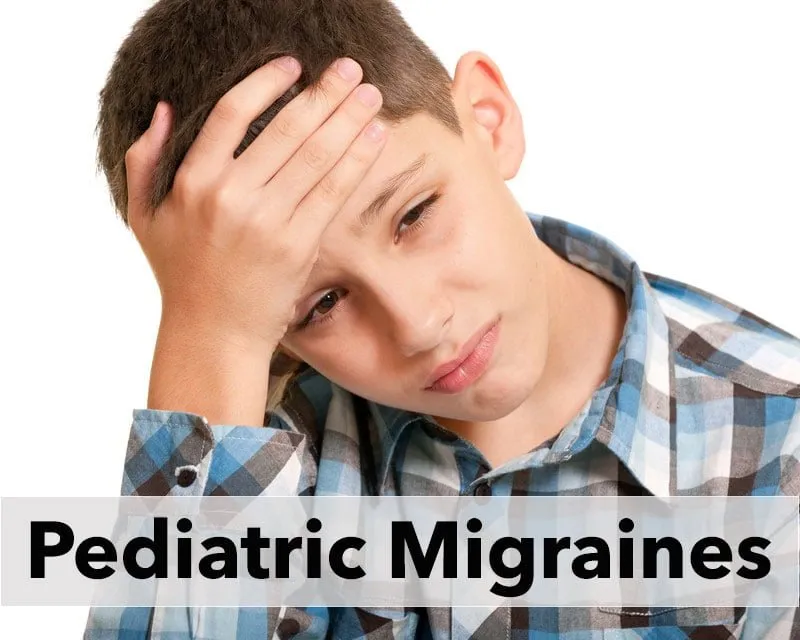
How Common Are Migraines in Children?
Migraines can begin at any age, including early childhood. They are seen in:
Preschool-aged children
School-going children
Teenagers and adolescents
Before puberty, migraines are slightly more common in boys. However, after puberty, migraines become more frequent in girls due to hormonal changes.
Signs and Symptoms of Pediatric Migraines
Recognizing migraine symptoms early is essential for effective management. Common symptoms include:
Headache Symptoms
Moderate to severe head pain
Throbbing or pulsating sensation
Pain on one or both sides of the head
Worsening pain with physical activity
Associated Symptoms
Nausea or vomiting
Sensitivity to light, sound, or smells
Dizziness or lightheadedness
Fatigue or sleepiness
Difficulty concentrating
Additional Symptoms in Children
Abdominal pain (abdominal migraine)
Motion sickness
Pallor or flushed face
Irritability or mood changes
Migraine Aura in Children
Some children experience aura, which are temporary neurological symptoms occurring before or during a migraine. These may include:
Visual disturbances such as flashing lights or zigzag lines
Blurred vision
Tingling or numbness in the face or hands
Speech difficulties
Not all pediatric migraines involve aura, and its absence does not rule out migraine.
Common Triggers of Pediatric Migraines
Identifying triggers plays a key role in migraine prevention. Common triggers include:
Irregular sleep patterns
Skipping meals or dehydration
Stress or anxiety
Excessive screen time
Bright lights or loud noises
Weather changes
Certain foods such as chocolate, cheese, or processed foods
Hormonal changes in adolescents
At Sparsh Hospital, we help families identify individual triggers through careful history-taking and monitoring.
Causes of Pediatric Migraines
The exact cause of migraines is not fully understood, but several factors are involved:
Genetic predisposition
Abnormal brain signaling
Changes in neurotransmitter levels
Sensitivity of pain pathways in the brain
Children with a family history of migraines are more likely to develop the condition.
Types of Pediatric Migraines
1. Common Migraine
Migraine without aura, presenting with headache and associated symptoms.
2. Migraine with Aura
Migraine preceded by visual or sensory disturbances.
3. Abdominal Migraine
Characterized by recurrent abdominal pain with nausea and vomiting, often without headache.
4. Chronic Migraine
Headaches occurring on more than 15 days per month for at least three months.
Diagnosis of Pediatric Migraines at Sparsh Hospital
Diagnosing migraines in children requires expertise and careful evaluation. At Sparsh Hospital, our pediatric specialists follow a comprehensive approach that includes:
Detailed medical history
Family history assessment
Headache pattern evaluation
Physical and neurological examination
Review of lifestyle factors
In most cases, imaging tests are not required unless warning signs are present. Our team ensures accurate diagnosis while avoiding unnecessary investigations.
Warning Signs That Need Immediate Medical Attention
Parents should seek urgent medical care if a child experiences:
Sudden severe headache
Headache with fever or stiff neck
Headache after head injury
Persistent vomiting
Seizures or loss of consciousness
Progressive worsening of headaches
At Sparsh Hospital, child safety and early intervention are our top priorities.
Treatment of Pediatric Migraines at Sparsh Hospital
Migraine treatment is individualized based on the child’s age, frequency of attacks, and severity of symptoms.
Acute Migraine Treatment
Focused on relieving symptoms during an attack:
Child-safe pain relief medications
Anti-nausea medications
Rest in a dark, quiet environment
Adequate hydration
Preventive Treatment
Recommended for children with frequent or severe migraines:
Preventive medications when needed
Lifestyle modifications
Stress management techniques
Regular sleep routines
Our pediatric team closely monitors treatment response and adjusts plans as the child grows.
Non-Medication Management Strategies
At Sparsh Hospital, we strongly emphasize holistic and non-drug approaches, including:
Lifestyle Modifications
Regular sleep schedule
Balanced meals
Adequate hydration
Limiting screen time
Encouraging physical activity
Stress Management
Relaxation techniques
Breathing exercises
Age-appropriate counseling when required
Headache Diary
Keeping a headache diary helps identify triggers and track treatment effectiveness.
Role of Diet in Pediatric Migraine Management
Diet plays a significant role in migraine control. Our specialists guide families on:
Maintaining regular meal timings
Avoiding known trigger foods
Including nutrient-rich foods
Ensuring proper hydration
A personalized dietary approach often reduces migraine frequency.
School and Pediatric Migraines
Migraines can affect academic performance and attendance. Sparsh Hospital works closely with parents to:
Educate schools about the child’s condition
Create migraine-friendly school routines
Provide medical documentation when needed
Support emotional well-being
Emotional Impact of Migraines on Children
Chronic migraines can affect a child’s:
Confidence
Social interactions
Emotional health
Our compassionate care model addresses both physical symptoms and emotional well-being, ensuring comprehensive pediatric support.
Migraine Prevention in Children
Preventive strategies focus on:
Identifying early warning signs
Maintaining healthy daily routines
Consistent follow-up with pediatric specialists
Family education and awareness
Early intervention significantly improves long-term outcomes.
Why Choose Sparsh Hospital for Pediatric Migraine Care
Sparsh Hospital is committed to delivering trusted, child-centered healthcare with a focus on safety and comfort.
Our Key Strengths
Experienced pediatric specialists
Accurate diagnosis and personalized treatment
Child-friendly environment
Holistic and preventive care approach
Strong parent education and support
Continuous follow-up and monitoring
We believe every child deserves relief from pain and the opportunity to thrive.