
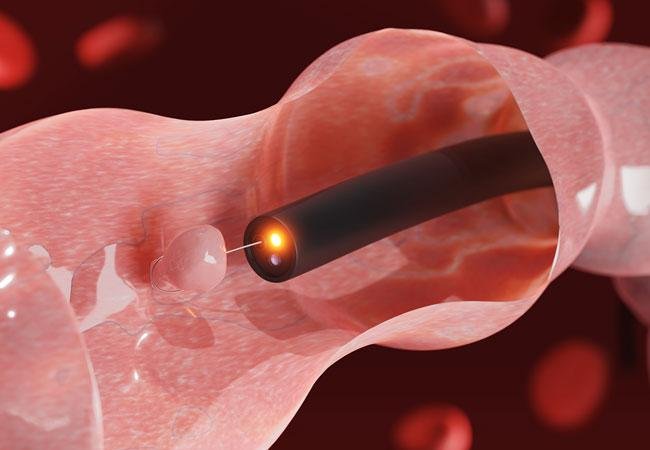
What Are Polyps?
Polyps are small lumps or growths that occur due to abnormal cell multiplication. They can be flat (sessile) or raised on a stalk (pedunculated). Polyps may cause symptoms depending on their size and location, but sometimes they remain hidden and are detected only during routine health screenings.
Common areas where polyps develop:
Colon and rectum (colorectal polyps)
Uterus (endometrial polyps)
Cervix (cervical polyps)
Nose and sinuses (nasal polyps)
Stomach and intestines
Gallbladder
Vocal cords
Regardless of where they appear, polyps should always be evaluated by a specialist.
Types of Common Polyps
1. Colorectal Polyps
Develop in the large intestine. Some may turn into colorectal cancer if untreated.
Types include:
Adenomatous polyps
Hyperplastic polyps
Serrated polyps
2. Uterine (Endometrial) Polyps
Overgrowth of endometrial tissue inside the uterus, common in women after age 30.
3. Cervical Polyps
Small growths on the cervix, often benign but may cause bleeding.
4. Nasal Polyps
Non-cancerous growths inside the nasal cavity or sinuses causing congestion and breathing issues.
5. Stomach Polyps
Often detected during endoscopy; some may turn cancerous.
6. Gallbladder Polyps
Usually harmless but may require removal if large.
Symptoms of Polyps
Polyps may not always show symptoms. When they do, signs may include:
Colorectal Polyps
Rectal bleeding
Blood or mucus in stool
Constipation or diarrhea
Abdominal discomfort
Unexplained weight loss
Uterine / Cervical Polyps
Irregular menstrual bleeding
Bleeding after intercourse
Infertility
Excessive bleeding during periods
Nasal Polyps
Blocked nose
Loss of smell
Snoring
Facial pressure
Recurring sinus infections
Stomach or Gallbladder Polyps
Upper abdominal pain
Nausea or vomiting
Bloating
Indigestion
Diagnosis of Polyps at Sparsh Hospital
Our diagnostic approach is accurate, safe, and tailored to your symptoms:
1. Endoscopy / Colonoscopy
A flexible tube with a camera is used to view polyps in the digestive tract.
2. Hysteroscopy
Used for detecting and removing uterine polyps.
3. Nasal Endoscopy
Detects sinus and nasal polyps.
4. Ultrasound
Abdominal and pelvic ultrasound helps detect gallbladder and uterine polyps.
5. MRI or CT Scan
Used for complex cases and sinus polyps.
6. Biopsy
A small tissue sample is taken to confirm whether the polyp is benign or cancerous.
Our specialists ensure minimal discomfort and maximum accuracy in diagnosis.
Polyp Removal Treatments Offered at Sparsh Meditunes Hospital
1. Endoscopic Polyp Removal (Polypectomy)
A minimally-invasive technique using endoscopy or colonoscopy. Polyps are removed without cuts or stitches.
Benefits:
No major surgery
Quick recovery
Prevents cancer development
Same-day discharge in most cases
2. Hysteroscopic Polypectomy (Uterine Polyps)
A small camera is inserted into the uterus to remove polyps safely and effectively.
Ideal For:
Abnormal uterine bleeding
Infertility
Post-menopausal bleeding
3. Cervical Polyp Removal
A simple outpatient procedure performed by our gynecologists.
4. Functional Endoscopic Sinus Surgery (FESS) for Nasal Polyps
Advanced endoscopic surgery to remove nasal polyps and improve breathing.
Benefits:
Improved airflow
Reduced snoring
Better sinus drainage
Long-term relief from sinusitis
5. Gastric Polyp Removal
Performed during upper GI endoscopy.
6. Laparoscopic Surgery
For large polyps in the gallbladder or stomach.
Advantages:
Tiny incisions
Minimal pain
Faster healing
Recovery After Polyp Removal
Recovery depends on the type of procedure:
Endoscopic & Colon polypectomy:
Resume normal activities in 24–48 hours
Mild bloating or discomfort may occur
Hysteroscopic removal:
Slight bleeding for 1–2 days
Normal routine within 24 hours
Nasal polyp surgery:
Breathing improves gradually
Avoid strenuous activities for 1 week
Gallbladder or stomach polyps:
Discharge in 1–2 days
Full recovery within 7–10 days
Our medical team provides detailed post-procedure instructions to ensure a smooth recovery.