
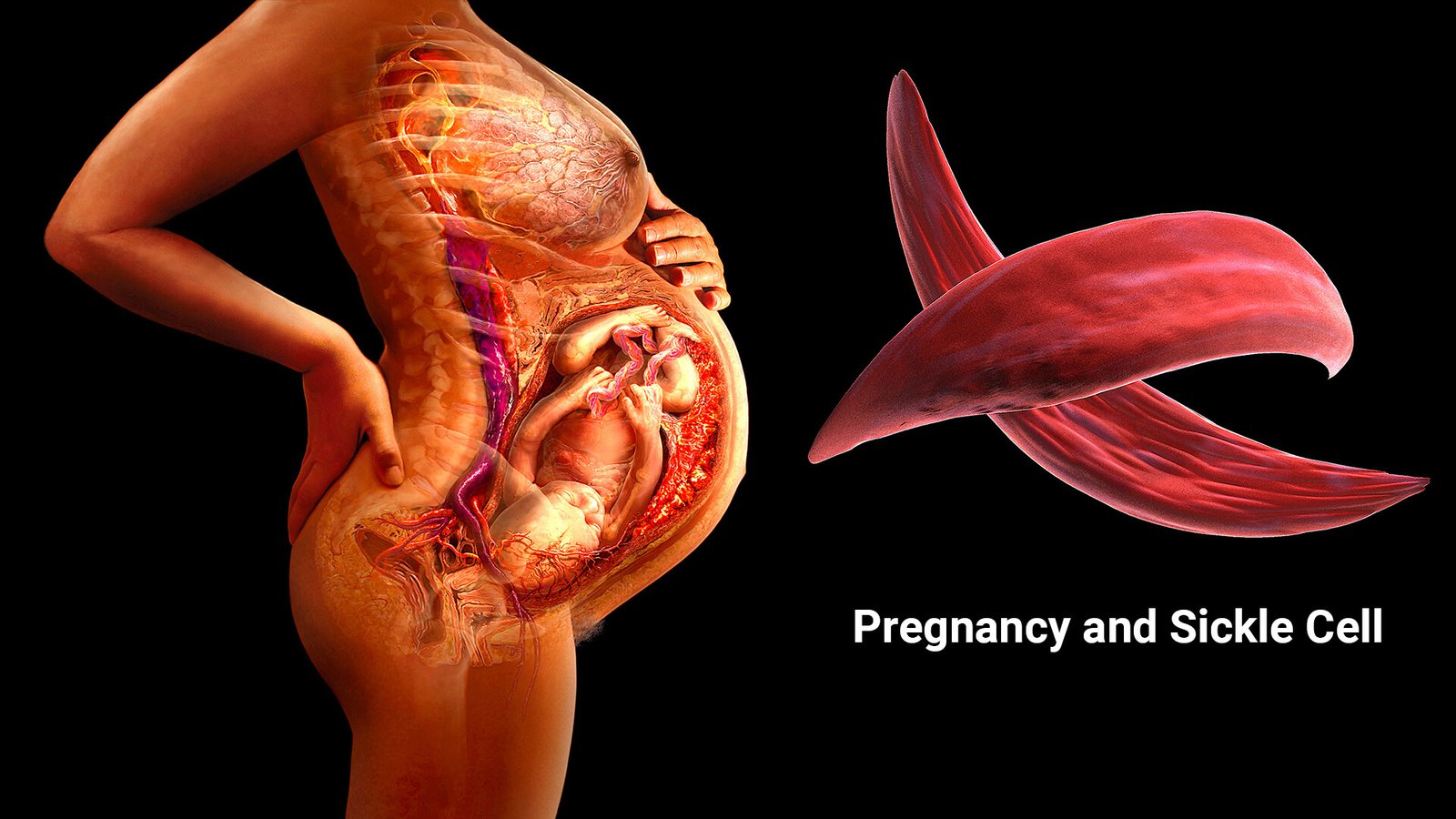
Understanding Sickle Cell Disease
Sickle cell disease is an inherited condition caused by abnormal haemoglobin (HbS). Red blood cells become rigid and sickle‑shaped, which can block blood flow and reduce oxygen delivery to tissues.
Common Types of Sickle Cell Disorders
Sickle Cell Anaemia (HbSS)
Sickle Cell Trait (HbAS)
Sickle‑beta Thalassemia
Women with sickle cell trait usually have fewer complications, while those with sickle cell disease need close medical supervision during pregnancy.
How Sickle Cell Disease Affects Pregnancy
Pregnancy places additional demands on the body, increasing blood volume and oxygen needs. In women with sickle cell disease, this can raise the risk of complications.
Possible Maternal Complications
Severe anaemia
Painful sickle cell crises
Infections (especially urinary tract and respiratory infections)
Pre‑eclampsia and hypertension
Blood clots
Increased need for blood transfusions
Possible Fetal Complications
Intrauterine growth restriction (IUGR)
Low birth weight
Preterm birth
Stillbirth (rare with proper care)
Increased risk of fetal distress
With early diagnosis, regular antenatal visits, and expert care, many women with sickle cell disease deliver healthy babies.
Importance of Pre‑Pregnancy Counselling
At Sparsh Hospital, we strongly recommend pre‑conception counselling for women with sickle cell disease.
What Pre‑Pregnancy Counselling Includes
Assessment of disease severity and overall health
Review of medications and discontinuation of unsafe drugs
Genetic counselling for both partners
Screening for organ complications (heart, kidneys, lungs)
Nutritional optimisation and folic acid supplementation
This proactive approach significantly reduces pregnancy‑related risks.
Antenatal Care for Sickle Cell Pregnancy at Sparsh Hospital
Our antenatal program is tailored to the unique needs of women with sickle cell disease.
Early Booking and Frequent Visits
Early pregnancy confirmation
More frequent antenatal check‑ups compared to routine pregnancies
Close monitoring of maternal and fetal wellbeing
Multidisciplinary Care Team
Obstetricians experienced in high‑risk pregnancies
Haematologists specialising in sickle cell disease
Anaesthetists and neonatologists
Nutritionists and physiotherapists
This team‑based approach ensures coordinated and timely care.
Investigations and Monitoring
Regular tests help detect complications early.
Maternal Monitoring
Complete blood count to monitor anaemia
Liver and kidney function tests
Oxygen saturation monitoring
Screening for infections
Blood pressure monitoring
Fetal Monitoring
Regular ultrasound scans for growth assessment
Doppler studies to assess placental blood flow
Non‑stress tests in the third trimester
Managing Anaemia in Pregnancy
Anaemia is common in sickle cell pregnancy and requires careful management.
Treatment Strategies
Folic acid supplementation
Iron therapy only when deficiency is confirmed
Blood transfusions when clinically indicated
At Sparsh Hospital, transfusions are administered under strict protocols to minimise risks.
Prevention and Management of Sickle Cell Crisis
Painful crises can occur during pregnancy and need prompt treatment.
Preventive Measures
Adequate hydration
Avoidance of extreme temperatures
Early treatment of infections
Stress management and adequate rest
Crisis Management
Safe pain relief medications
Oxygen therapy
Intravenous fluids
Hospital admission for severe episodes
Nutrition and Lifestyle Guidance
Proper nutrition supports both mother and baby.
Dietary Recommendations
High‑protein, balanced diet
Adequate intake of fruits, vegetables, and whole grains
Increased fluid intake
Lifestyle Advice
Gentle physical activity as advised
Adequate sleep and rest
Avoid smoking, alcohol, and self‑medication
Our nutritionists provide personalised meal plans suitable for sickle cell patients.
Infection Prevention During Pregnancy
Women with sickle cell disease are more prone to infections.
Preventive steps include:
Timely vaccinations as recommended
Early treatment of fever or infections
Regular urine testing
Prompt medical attention significantly reduces complications.
Labour and Delivery Planning
Delivery planning is individualised based on maternal and fetal condition.
Mode of Delivery
Vaginal delivery is possible in many cases
Caesarean section only when medically indicated
Labour Management
Adequate pain relief
Continuous oxygen and hydration
Close fetal monitoring
Our experienced obstetric and anaesthesia teams ensure a safe delivery environment.
Postnatal Care and Recovery
The postpartum period also requires close monitoring.
Maternal Care
Monitoring for infection and anaemia
Pain management
Thrombosis prevention
Baby Care
Newborn screening for sickle cell disease
Neonatal monitoring in collaboration with paediatricians
Breastfeeding and Sickle Cell Disease
- Improved infant immunity
- Enhanced mother‑baby bonding
Genetic Counselling and Future Planning
Genetic counselling helps parents understand:
Risk of passing sickle cell disease to the child
Testing options for the baby
Planning future pregnancies
Sparsh Hospital offers confidential and compassionate counselling services.
Emotional and Psychological Support
Living with sickle cell disease during pregnancy can be emotionally challenging.
We provide:
Counselling support
Stress management techniques
Family education sessions
Mental wellbeing is a vital part of holistic pregnancy care.
Why Choose Sparsh Hospital for Sickle Cell Pregnancy Care?
Expertise in high‑risk obstetrics
Integrated haematology support
Advanced diagnostics and monitoring
Compassionate, patient‑centred care
Seamless care from pregnancy to postpartum
When to Seek Immediate Medical Attention
Contact Sparsh Hospital immediately if you experience:
Severe pain crisis
Breathlessness or chest pain
Reduced fetal movements
High fever
Heavy vaginal bleeding
Our emergency and maternity services are available round the clock.