
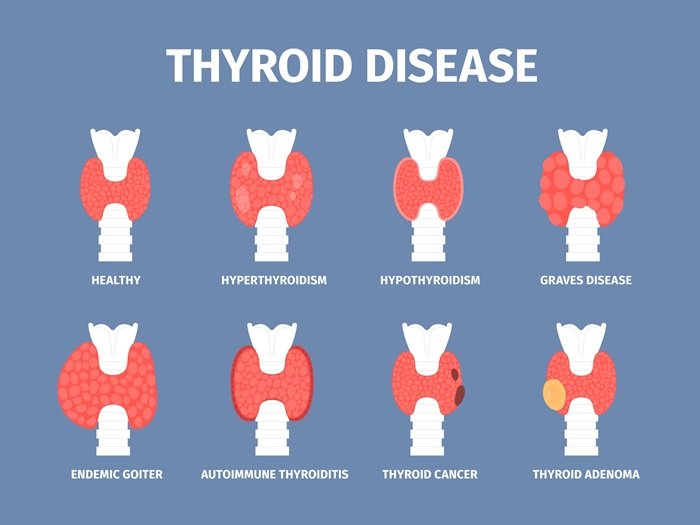
The thyroid is a small, butterfly-shaped gland located at the front of the neck. It produces essential hormones—primarily T3 (Triiodothyronine) and T4 (Thyroxine)—which regulate:
Metabolism
Body temperature
Heart rate
Digestion
Energy levels
Growth and development
Mood and mental clarity
When the thyroid gland produces too much or too little hormone, it results in a thyroid disorder, affecting nearly every system in the body.
Types of Thyroid Disorders
Hypothyroidism (Underactive Thyroid)
Hypothyroidism occurs when the thyroid gland does not produce enough hormones. It is one of the most common thyroid conditions, especially among women.
Common Causes:
Autoimmune conditions (such as Hashimoto’s thyroiditis)
Iodine deficiency
Thyroid surgery or radiation therapy
Certain medications
Congenital thyroid disorders
Symptoms of Hypothyroidism:
Fatigue and weakness
Weight gain
Cold intolerance
Dry skin and hair loss
Constipation
Depression or mood changes
Slow heart rate
Menstrual irregularities
At Sparsh Hospital, hypothyroidism is managed with accurate hormone replacement therapy and regular monitoring to maintain optimal hormone levels.
Hyperthyroidism (Overactive Thyroid)
Hyperthyroidism occurs when the thyroid gland produces excessive hormones, causing the body’s systems to speed up.
Common Causes:
Graves’ disease
Thyroid nodules
Thyroiditis
Excess iodine intake
Symptoms of Hyperthyroidism:
Rapid heartbeat
Weight loss despite increased appetite
Heat intolerance
Excessive sweating
Anxiety and irritability
Tremors
Sleep disturbances
Frequent bowel movements
Our specialists at Sparsh Hospital focus on controlling hormone overproduction and preventing complications through medication and individualized treatment plans.
Thyroid Nodules
Thyroid nodules are lumps or growths within the thyroid gland. While most nodules are benign, some may require further evaluation.
Symptoms May Include:
Swelling or lump in the neck
Difficulty swallowing
Hoarseness of voice
Pressure or discomfort in the throat
Advanced diagnostic techniques at Sparsh Hospital help determine whether nodules are benign or require further intervention.
Goiter
A goiter is an abnormal enlargement of the thyroid gland, often caused by iodine deficiency or hormonal imbalance.
Symptoms of Goiter:
Visible neck swelling
Tightness in the throat
Difficulty breathing or swallowing
Coughing
Treatment at Sparsh Hospital focuses on addressing the underlying cause and restoring normal thyroid function.
Thyroiditis
Thyroiditis refers to inflammation of the thyroid gland, which may cause temporary hyperthyroidism followed by hypothyroidism.
Types of Thyroiditis Include:
Subacute thyroiditis
Postpartum thyroiditis
Silent thyroiditis
Early diagnosis and supportive care at Sparsh Hospital ensure effective symptom control and recovery.
Symptoms That Should Not Be Ignored
Many thyroid disorders develop gradually, making early symptoms easy to overlook. You should consult a specialist at Sparsh Hospital if you experience:
Persistent fatigue
Sudden weight changes
Hair thinning or excessive hair fall
Mood swings or depression
Irregular menstrual cycles
Neck swelling
Palpitations
Difficulty concentrating
Early detection leads to better outcomes and prevents long-term complications.
Diagnosis of Thyroid Disorders at Sparsh Hospital
At Sparsh Hospital, we follow a systematic and accurate approach to diagnosing thyroid conditions.
Diagnostic Methods Include:
Detailed medical history and physical examination
Thyroid function blood tests (T3, T4, TSH)
Thyroid antibody testing
Ultrasound imaging of the thyroid
Fine needle aspiration (when required)
Our advanced diagnostic facilities ensure precise identification of the condition and its severity.
Treatment Options for Thyroid Disorders
Treatment at Sparsh Hospital is tailored to each patient based on age, symptoms, severity, and overall health.
Medical Management
Hormone replacement therapy for hypothyroidism
Anti-thyroid medications for hyperthyroidism
Beta-blockers for symptom control
Anti-inflammatory medications for thyroiditis
Regular follow-ups ensure medication effectiveness and hormonal balance.
Lifestyle and Nutritional Guidance
Managing thyroid disorders often requires lifestyle modifications. At Sparsh Hospital, patients receive guidance on:
Balanced nutrition
Iodine intake management
Stress reduction
Regular exercise
Sleep hygiene
These changes support medical treatment and improve long-term health.
Surgical Management (When Required)
In certain cases, surgery may be recommended, such as:
Large goiters causing compression
Suspicious or malignant thyroid nodules
Severe hyperthyroidism unresponsive to medication
Our surgical team ensures safe procedures with comprehensive pre- and post-operative care.
Thyroid Disorders in Wom
Women are more likely to develop thyroid disorders due to hormonal fluctuations during:
Pregnancy
Postpartum period
Menopause
Untreated thyroid issues can affect fertility, pregnancy outcomes, and menstrual health. Sparsh Hospital provides specialized thyroid care for women at every stage of life.
Thyroid Disorders in Children
Thyroid problems in children can affect growth, development, and academic performance. Early diagnosis at Sparsh Hospital helps ensure:
Normal physical growth
Healthy brain development
Emotional well-being
Our pediatric specialists provide age-appropriate evaluation and treatment.